Why Does Cauliflower Bolt Early? Causes and Control Methods Explained
In recent years, as the cauliflower planting area has grown larger and larger, the phenomenon of early flowering has become more and more serious. Early flowering in cauliflower causes it to lose its commercial value, seriously affects yield and income, and brings huge economic losses to farmers. So what causes early flowering in cauliflower? How should it be controlled? Let's take a look.
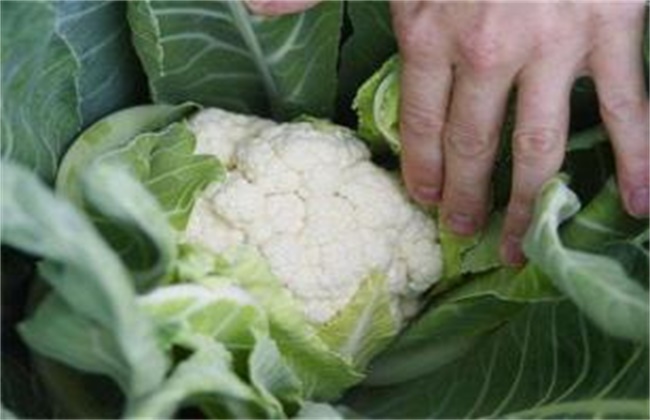
I. What Is Early Flowering
Cauliflower is a green-plant vernalization crop. Its seedlings can only pass through vernalization after growing to a certain number of leaves and a certain stem thickness, then encountering low temperatures and going through a certain number of days. However, the vernalization temperature and plant size differ among varieties. Once cauliflower has passed through vernalization, if the conditions for its vegetative growth cannot be met, its reproductive growth will be stronger than its vegetative growth, causing many small plants to grow small curds. This is early flowering.
II. Causes
1. Abnormal climate
In recent years, the warm-winter phenomenon in China has been severe. Excessively high temperatures make cauliflower overwintered as small seedlings grow faster after sowing and transplanting than in previous years. Moreover, a warm winter also shortens autumn, causing cauliflower to grow slowly after transplanting. In early winter, the stem thickness and leaf number of the plants reach the vernalization requirements, causing cauliflower overwintered as small seedlings to vernalize early. By late winter and early spring, the leaves of the cauliflower have not yet grown large, but curds appear prematurely.
2. Improper cultivation management
Cauliflower overwintering should use small seedlings for overwintering. After transplanting in November, the seedlings enter the seedling-recovery growth period once they have recovered, and growth basically stops after December. In early spring, fertilizer and water management should be strengthened to promote growth so that vernalization is completed. If management before overwintering is improper, it will cause excessive growth, resulting in large plants overwintering, which makes vernalization occur earlier and ultimately leads to early flowering.
III. Control Methods
1. Sow at the right time
For cauliflower overwintered as small seedlings, before sowing, pay attention to the weather forecast. If the forecast shows that winter temperatures will be on the low side, sowing can be appropriately advanced to ensure transplanting into the field before the ground freezes. If the forecast is for a warm winter year, sowing must be delayed.
2. Control seedling growth
During the cauliflower seedling-raising period, the method of root pruning to strengthen seedlings can be used to prevent excessive seedling growth. If the temperature remains high and seedlings grow too fast, growth inhibitors such as chlormequat can be sprayed to inhibit seedling growth. The method of transplanting seedlings into a temporary bed can also be used to inhibit seedling growth, because temporary planting can damage the seedling root system, thereby achieving the purpose of inhibiting aboveground growth of the seedlings and delaying the vernalization time of the seedlings.
The above is an introduction to the causes of early flowering in cauliflower and the control methods. We hope it can help you. To learn more related knowledge, please follow us.