Greenhouse Vegetable Pest Control Methods and Practical Tips Explained
People call greenhouse cultivation a protected cultivation method. Although it can keep warmth and moisture and create a separate microclimate environment, it still cannot be perfect. For example, large insects can be controlled, and many insects cannot get in to cause damage, but there are still many smaller pests that will enter and cause damage. It is impossible to guard against all of them. So what should be done after vegetables grown in greenhouses are infested with insects? Let's take a look at the specific methods of elimination.
1. Pesticide application requirements
Do not spray pesticides on cloudy and rainy days, and do not spray pesticides in a high-humidity environment, as this will reduce the efficacy; you can spray after ventilating. Do not apply pesticides when the temperature is high, as pesticide damage is likely to occur. Alternate pesticides, do not use the same pesticide for a long time, do not use highly toxic pesticides or pesticides with residues. Do not use fumigants. Do not adjust the pesticide concentration at will, and pesticide application must follow the safety interval. Use highly efficient, low-toxicity, safe pesticides.
2. Insect killing
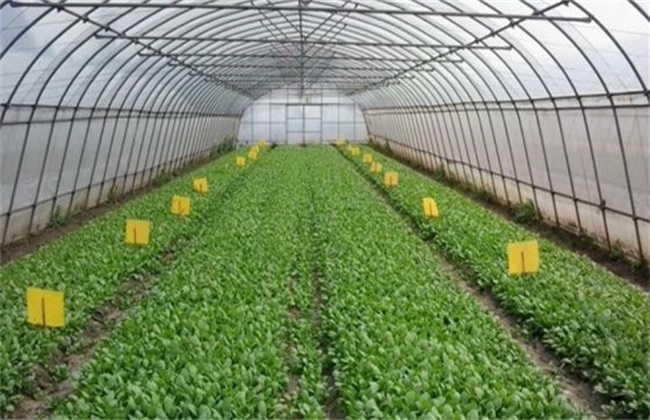
The most common pests in greenhouses are aphids, leaf miners, cutworm-type insects, whitefly-type insects, red spiders, slug moths and the like. Common control methods include trap killing, hand catching, solar insect-killing lamps, and spraying urea and washing powder aqueous solution to kill them. Or spraying the extract of Celastrus angulatus has a good killing effect. Spraying chili water plus garlic water plus industrial alcohol kills insects.
3. Other methods
Choose insect-resistant varieties, prevent in advance, and intercrop with vegetables that can repel harmful insects, such as garlic and Chinese cabbage, which have the effect of mutually repelling insects. Or plant plants such as rosemary around the greenhouse, which can repel insects; the insects are not adapted to the smell, and using other plants with special smells has the same effect. Fertilize in a balanced way, do not apply excessive nitrogen fertilizer, and apply more phosphorus and potassium fertilizer.
4. Clean the environment
Keep the interior clean. Severely diseased plants should be pulled out and taken away, and the nearby soil and vegetables should all be disinfected. Frequently remove some dead leaves, diseased leaves, weeds, rotten roots, diseased residues, and affected vegetables, and pull them out as early as possible. When the environment is better, there will be much fewer insects. Note that insects hide in the soil, so the soil must be turned every season to clear out the insects.
Many pests also occur in greenhouses, and the common ones are insects with strong vitality and strong reproductive capacity. Control mainly involves choosing highly efficient and safe pesticides and using some other self-made preparations sprayed to kill insects. Use multiple methods to kill insects.