The correct method and precautions for hand-pollinating corn
During the corn pollination period, if pollination is poor, hand pollination can be used, which helps the corn kernels become plump and fully formed, achieving higher yield and better quality. So what methods are there for pollinating corn? What should be noted when pollinating? Let's take a look together.
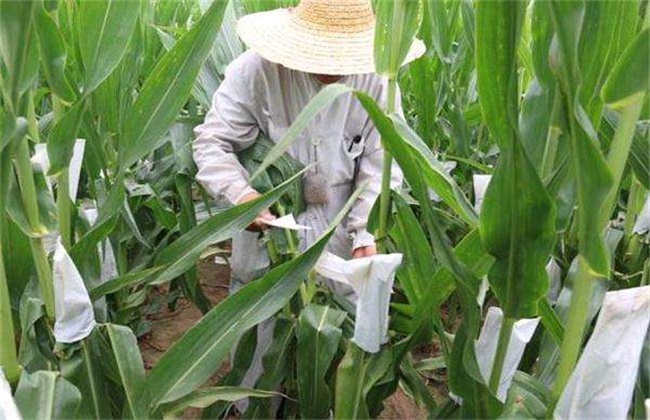
I. Corn pollination methods
1. Collecting pollen
The first step of hand pollination is collecting pollen. First, find a container, bring it close to the corn tassel, shake the tassel gently, and shake the pollen into the container. Then sift the collected pollen to remove the anthers, glumes and other debris, and the pollen is ready. After collection, the pollen should be used promptly, generally on a sunny morning between 8 and 9 o'clock. If collected too early, the moisture content is too high and the pollen tends to clump, which is not good for pollination.
2. Pollination
Pollination is generally done between 8:30 and 11 o'clock in the morning, depending on the specific weather conditions. When pollinating, a pollination tool is used to sprinkle the pollen gently onto the silks to complete pollination. Generally, for the ear shoots we should pollinate three times, respectively in the early, peak and late stages of silking, so as to better ensure pollen fertilization and kernel set.
3. Other pollination methods
The pollination method above has a high pollination rate, but when the workload is large, it is time-consuming and laborious. You can directly shake the corn plants to let the pollen fall, or find a rope and work in pairs, shaking gently in the corn field to let the pollen fall in the field; the pollen that lands on the silks completes hand pollination. Although this pollination is convenient, it is not as good as pollinating after collecting pollen.
II. Precautions for hand-pollinating corn
1. 5-7 days after corn detasseling, the ear shoots begin to silk, and this process lasts about 5-7 days. Pollination is best done within 2-5 days after the corn silks emerge, when the seed-setting rate is high.
2. For pollination time, it is best to choose a sunny morning between 8 and 11 o'clock, when there should be no dew in the field. If too early, the dew will affect pollination.
3. Pollination is not suitable when the temperature is above 35 degrees.
4. It is best to collect pollen and pollinate right away, then collect again after pollinating, to prevent collecting too much pollen at one time, causing it to pile up and die, which affects pollination.
The above is an introduction to corn hand-pollination methods and precautions. We hope it helps you. To learn more related knowledge, please stay tuned to us.