Detailed Explanation of Salvia miltiorrhiza Planting Methods and Growing Conditions
Salvia miltiorrhiza is a medicinal plant of the Lamiaceae family, mainly using its rhizome as medicine, distributed in many regions across the country, and can treat various diseases. Wild resources are scarce, so the scale of artificial cultivation is very large. There are many cultivation areas and quantities. So how is Salvia miltiorrhiza planted, in what environment is it planted, and what growing conditions are needed for good growth? Let's find out in the following text.
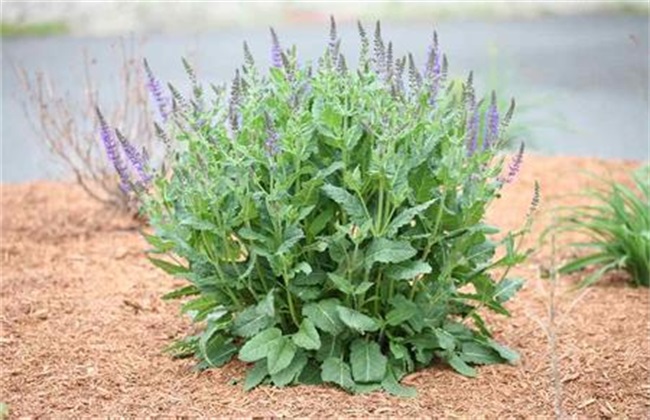
1. Planting Methods
You can plant sweet potato, corn, and peanut as the previous crop, and then plant Salvia miltiorrhiza afterward. It can also be intercropped in tea gardens, orange orchards, and mulberry orchards, which is like semi-wild planting and grows well. For root division planting, the seed plants are left in the field. When replanting is needed, lateral roots can be taken from February to March for planting, but care must be taken to cover with rice straw to prevent frost damage. For cutting propagation, take sturdy aboveground stems, remove the lower leaves, and transplant after slanting insertion and cultivation. For seed propagation, drill sowing, cover with film to retain moisture, and transplant after seedlings emerge.
2. Temperature Conditions
It likes a warm climate environment. If the temperature is low, growth is very slow, and overall development is slow. Generally, the most suitable place for growth has an annual average temperature of no less than 17 degrees, but the roots can overwinter at around minus 15 degrees, so the tolerance range for temperature is relatively large. The most suitable temperature for general growth is around 15 to 18 degrees, and it can grow well below 28 degrees, but if it exceeds 30 degrees, some growth is easily affected.
3. Light Requirements
Salvia miltiorrhiza is a light-loving plant and requires sufficient light during the growth period. With insufficient light, growth is slow. Generally, Salvia miltiorrhiza grows in deciduous broad-leaved forests in temperate regions. So Salvia miltiorrhiza needs light, but cannot tolerate strong light. Strong light makes Salvia miltiorrhiza grow slowly, and the plant may lose water.
4. Soil Conditions
Generally, wild Salvia miltiorrhiza grows in forests, roadsides, and hillsides. In fact, the soil in these places is relatively dry. Salvia miltiorrhiza is afraid of waterlogging, so it needs soil with high and dry terrain. It likes fertile, loose sandy loam the most, and has no strict requirements for soil pH. Slightly acidic, slightly alkaline, and neutral soils can all be used for planting. Overall, fertile, dry soil with good water permeability is more suitable for planting.
The main methods of planting Salvia miltiorrhiza are relay cropping with the previous crop and intercropping in tea gardens and forest areas. The semi-wild method is better, but field planting with good conditions provided grows well and yields a bit more.