How to cultivate Sichuan pepper sprouts? Key points of planting methods and management techniques
Sichuan pepper sprouts are the young shoots sprouted by the Sichuan pepper tree. The young shoots generally have no thorns, are tender and glossy, and have a numbing aromatic flavor. They are a rare sprout vegetable. They are a sprout vegetable that many people like. In the past, people generally harvested some when new shoots sprouted in spring, which had time restrictions and somewhat affected yield. The cultivation method we are going to discuss now is somewhat different.
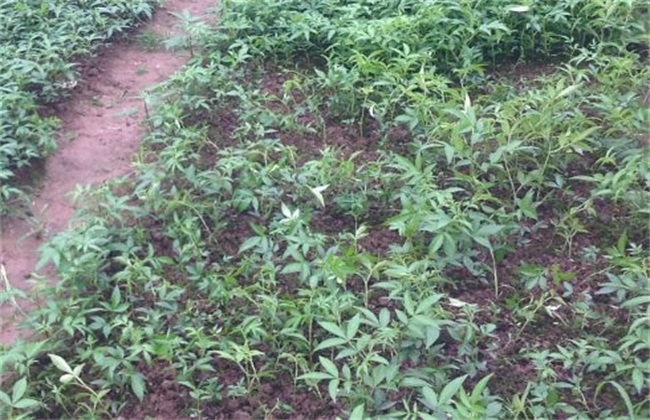
1. Sowing preparation
Sichuan pepper is collected together with the seeds, then threshing begins. After the seeds are taken out, they are stored, and in spring sand stratification is used to promote germination. Prepare a sunny, wind-sheltered, well-drained, loose sandy loam soil with convenient irrigation. In February, the land can be plowed, fertilizer applied and mixed with the soil, and beds made with a width of 1.2 m and a height of 10 cm. Dig furrows about 20 cm. The soil on the bed surface can be sieved so that the soil is fine, loose, and easy for germination.
2. Sowing and raising seedlings
After the seeds are germinated, sowing can be done after March, at about 160 jin of seeds per mu. The seeds are evenly broadcast on the bed surface, and afterward there is no need to cover with soil; directly cover with 3 cm of clean river sand. The soil, river sand, and seeds must all be disinfected. After that, cover with plastic film, but do not press it too tightly against the soil, as this affects seedling growth. Or remove the plastic film as soon as seedlings emerge. When the seedlings grow to 6 cm, thin them, and finally just keep them moist.
3. Transplanting method
Build greenhouses on other land, requiring fertile and breathable soil and wind-sheltered, sunny land. Several greenhouses can be built. After plowing, apply 2000 jin of fertilizer per mu, then plant the seedlings, with a plant spacing of about 15 cm and a row spacing of 20 cm. After planting, water them. Keep the greenhouse humidity at 80% every day. In May, apply 100 jin of urea per mu as topdressing. In summer, cover the greenhouse with a shade net; put it up when the light is strong at noon and take it off when the light is weak.
4. Harvesting and pruning
After transplanting and stable growth, harvesting can begin, and harvesting can continue until September. Harvesting is generally done when they grow to about 144 cm. They can be harvested once every two days, leaving 3 compound leaves each time to promote sprouting and maintain sprouting. The last harvest is in September, and generally the side buds should be left unharvested. After that, pruning is also needed, pruning the tree body to 30 cm so as not to let the tree body grow larger and to maintain as many sprouts as possible.
Sichuan pepper sprouts are a rare woody sprout vegetable. Ordinary cultivated Sichuan pepper trees can be harvested from, but this affects yield. Therefore, it is best to use the above germination-promoting cultivation technique to keep the sprouting vigor and prevent the plants from growing taller and bearing pepper.