How to Weed Konjac? Detailed Methods and Precautions
In recent years, konjac has been developing more and more, and the planting area of konjac has also been continuously increasing. However, growers often encounter various weed problems, which have caused relatively large losses to farmers. So how should konjac be weeded? Let's learn about it together.
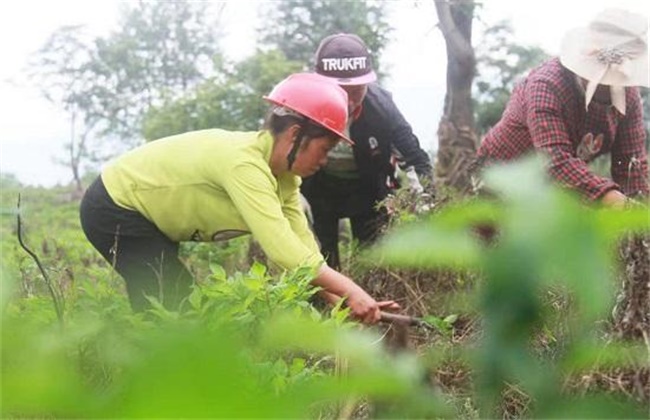
1. Manual weeding
For konjac weeding, manual weeding is still relatively effective, but manual weeding can easily damage the roots of konjac, and it is time-consuming and labor-intensive. Generally, weeding is needed three times. The first time is when konjac has just sprouted. A hoe can be used to lift soil to cover the weeds, which can directly smother the grass and also increase the live soil layer. The second time is around July, directly pull out the weeds in the konjac field, twist and turn their root systems over and spread them in the field. When the weeds rot, they can also add nutrients to the konjac. The third time is around August, still manually pulling them out and spreading them in the furrows. Manual weeding is time-consuming and labor-intensive, and during weeding, the konjac root system may also be broken off together.
2. Herbicide weeding
The first herbicide weeding is generally from mid-April to early May. During this period, the effect of using herbicides for weeding is the most obvious, because konjac develops relatively late and generally only sprouts at the end of May, while weeds generally grow out in March-April. At this time, spraying herbicides can effectively eliminate weeds without harming konjac. After konjac sprouts, herbicides can also be used for weeding, but only quizalofop-p-ethyl can be used, and glyphosate herbicides cannot be used. If the weeds are particularly large, quizalofop-p-ethyl is useless, so when using herbicides for weeding, it must be timely, and it must be used when the weeds are small.
3. Mulching to prevent weeds
Mulch cultivation means that after konjac is planted, coverings such as pine needles, rice straw, and corn stalks are placed on the soil surface. This weeding method can not only prevent and control weeds, but also retain water and fertilizer and promote konjac growth. From the perspective of weeding, manual weeding is too tiring, because the grass roots and konjac roots are intertwined, and when pulling grass, the konjac root system may be pulled out together. Although herbicides are convenient, they also affect the growth of konjac and have a certain impact on konjac yield. Therefore, the best weeding method is mulching to prevent weeds. It not only has no disadvantages, but also has many benefits for konjac.
The above is an introduction to konjac weeding methods and precautions. I hope it can help you. If you want to learn more related knowledge, please follow us.