Detailed Explanation of Key Points of Hydroponic Chinese Chive Cultivation Techniques
Many vegetables can be grown hydroponically, and hydroponics has quite a few advantages: reducing pests and diseases, saving space, and saving growing time are all benefits of hydroponics. Soil cultivation of Chinese chives is often plagued by chive maggots, which commonly cause damage in the field, laying eggs at the base of the chives that hatch and continue to cause damage. But hydroponics can just solve this problem. So how are hydroponic Chinese chives cultivated, and how is it done? You can learn about the hydroponic content.
1. Sowing Preparation
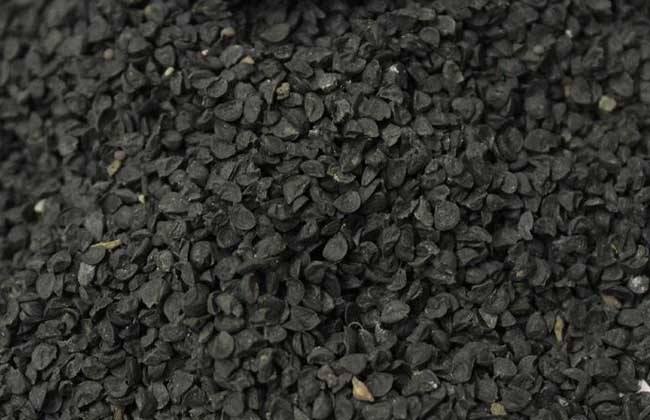
Prepare clean washed vermiculite, then soak it in a chemical agent, rinse it clean, and soak it for a day before use. Soak the seeds in hot water at about 40 degrees, stirring while soaking to avoid scalding; the water temperature will gradually drop, and after it drops, continue soaking the seeds for a day, then remove and rinse them, and after draining, wrap them in wet gauze and germinate them at about 18 degrees, washing off the mucus once a day; after a few days they will show white sprouts.
2. Sowing Method
Cover the seedling tray with wet straw paper, covering every cell, but it must fit snugly against the tray, then sow two seeds per cell. Then cover with straw paper again so the seeds are not exposed outside. Finally, place vermiculite on the straw paper, spreading it evenly; this way it retains moisture and also retains heat, forming a unique environment, so the seeds will break through the straw paper and grow out; the straw paper does not tear easily, but the seeds can pass through.
2. Post-Sowing Management
The seeds need to maintain about 60% to 70% moisture; river sand retains water reasonably well, but not as well as soil, so you can water and spray more frequently. Do not wait until it is too dry to water. Keep the temperature at around 20 degrees; it must not exceed 25 degrees, as exceeding that will affect germination and lower the germination rate. Especially above 30 degrees, they may not germinate smoothly. After sowing, you can cover the surface with straw paper to retain heat and moisture, and place the seedling tray in a greenhouse for management.
3. Transplanting and Planting Out
Use a special fixing tray designed for Chinese chives, take out the seedlings, wash the river sand off the roots, then fix them onto the planting tray, and fill the nutrient trough with the prepared nutrient solution. Install nutrient solution return equipment to prevent the nutrient solution from standing too long, which would cause oxygen deficiency and root rot. A circulation system is essential. The nutrient solution must have a disinfection treatment system.
The main thing about hydroponic Chinese chives is that the seedling method is rather unique, as only this ensures good seed germination. The temperature for sowing and cultivation management is very important; suitable temperature and moisture promote the growth of the Chinese chives.