Key Points of Efficient Cultivation Techniques for Fruit Cabbage
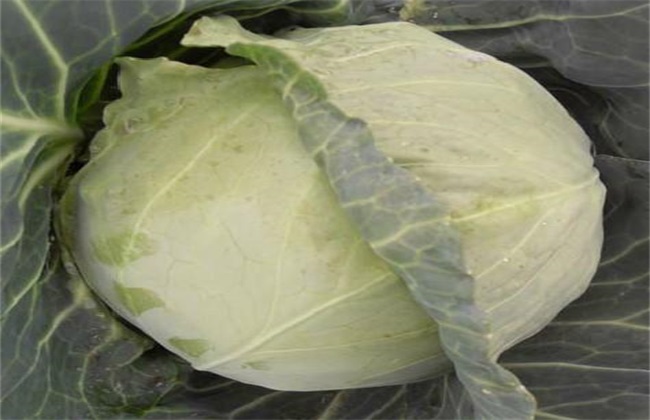
Everyone knows that cabbage is a vegetable, but most people are not very clear about what fruit cabbage is, and some may never have heard of it. In fact, fruit cabbage is just one type of cabbage; it can be eaten raw or served as a cold dressed dish, and it is mainly valued for its good taste, so after appearing on the market it has become very popular with many people. Fruit cabbage is not yet widely grown, and the cultivation techniques are not very comprehensive, but I still want to introduce them to everyone.
1. Sowing Time
The sowing time is generally from November to December, and sometimes it can be in January of the following year. If sown in November, it can be planted from December to January. If sown in January, it can be transplanted in March. The time is generally pushed forward accordingly, and it does not matter if it is a few days earlier or later. Sometimes it also depends on the specific temperature; even if the transplanting time has arrived, it cannot be transplanted if the temperature has not reached the requirement. However, it can be grown in a greenhouse.
2. Sowing Method
Build a seedbed 1.3 meters wide and no more than 10 meters long; a seedbed that is too long is inconvenient for drainage. Water before sowing. Dibble sowing can be used, so the seedlings emerge at an even spacing and do not need thinning. After sowing, cover with 1 cm of soil and also cover with a shading material. If raising seedlings in a seedling tray, it is easier to manage and helps reduce disease. Prepare the seedling tray with disinfection treatment, prepare and mix nutrient soil, disinfect it, and sow one seed per cell. The soil needs to be mixed with water first until moist; the moisture level is 60%, and when squeezed in the hand it forms a ball that does not fall apart when released. Cover the soil to hide the seeds, and press gently.
3. Raising Seedlings
After sowing, keep moist and spray water every day. Do not wait until it is completely dry before watering each time; water when half dry. After emergence, water every other day. During growth, water less in the week before transplanting, once every few days. Throughout the entire seedling-raising period, watering should be done in small amounts and multiple times. After sowing, keep the daytime temperature at 20 to 25 degrees, and the nighttime temperature at around 15 degrees. After emergence, the daytime temperature is around 18 degrees, and the nighttime temperature is around 12 degrees. During the seedling stage, do not fertilize the seedbed; for seedling trays, spray a 2% compound fertilizer leach solution.
4. Transplanting
Transplant when there are 5 true leaves, and apply 1000 jin of farmyard manure per mu as base fertilizer. Make beds 2 meters wide, with ditches 20 cm deep and 30 cm wide. Transplant when the temperature is above 5 degrees, or choose a sunny, windless day, or a cloudy day for transplanting. It is fine as long as it is not a rainy day. The transplanting density is 3000 plants per mu. Planting more sparsely makes management easier and makes it less likely to spread diseases. One week before transplanting, water once in between to maintain low-temperature hardening of the seedlings.
Although fruit cabbage and ordinary cabbage differ in variety, there is not much difference in cultivation techniques. The necessary steps cannot be omitted, and the precautions that should be taken must also be observed.