How Many Years Until Citrus aurantium Bears Fruit? A Detailed Explanation of the Fruiting Timeline
Citrus aurantium is actually the dried fruit of the bitter orange, a plant in the Rutaceae family and a relative of citrus. Its fruit has a very thick peel that is extremely hard to remove, a distinctive odor, and plenty of seeds. Because the fruit is used as a medicinal herb and tastes unpleasant, it is mainly cultivated for medicinal purposes. How many years does it take for planted Citrus aurantium to bear fruit? Below is a more detailed explanation.
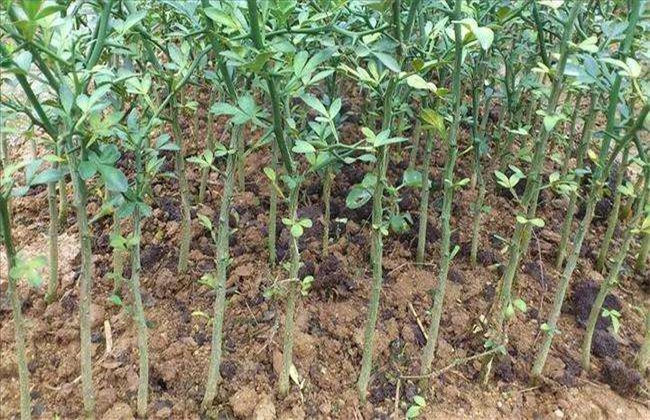
1. Fruiting Time
From sowing to sprouting, growth, transplanting, development and fruiting, the whole process takes about 5 years. Fruit usually appears in the 5th year after planting, and around the 10th year the tree enters its full-production, high-yield period. The first year is sowing; after sprouting, the seedlings are grown on, and after about one year they can be transplanted. After transplanting, they are cultivated for several years, during which the tree body grows continuously and its branch structure matures. At around 4 to 5 years, once the tree body matures, it will flower and bear fruit.
2. Sowing and Planting
Choose a suitable place as a seedbed for raising seedlings, and select land that has never grown citrus plants, generally deep sandy loam or loam. Apply 2000 jin of farmyard manure per mu, work it into the soil, prepare the land into a seedbed, and then sow. After the seedlings emerge, they are grown on as long-term planting stock. Growth is slow, so they must be planted the following spring. Dig holes for planting, digging the pits appropriately. Spread out the roots, backfill soil and firm it, then lift the seedling. Cover with soil again, and finally water.
3. Fertilizing and Water Control
During the seedling stage, weed several times a year and loosen the soil once or twice, which helps growth. Generally, during the seedling growth period, do not water too much; water only during drought, and water promptly when there is no rain for a long time. Lay water pipes to make watering convenient. Apply topdressing once each in spring, autumn and winter. Mainly apply farmyard manure, calcium fertilizer and nitrogen fertilizer. These are mainly shoot-promoting fertilizers. They are needed to promote the growth of branches and shoots.
4. Pruning and Shaping
Once the sapling has grown to a certain extent, one or two years after field planting, pruning can be done during cultivation to shape it and build a good tree structure. Prune when the plant height reaches more than 1.5 m, removing weak small branches near the ground. Keep upward-growing branches and maintain a round tree shape. Keep the branches growing in a balanced way. In winter, prune dense branches, old branches and cross-growing branches.
Generally, the time from planting Citrus aurantium to the start of fruiting is also relatively long. The tree body takes a long time to mature and develop. Cultivation still requires ample funds. Otherwise, it is better to plant cautiously.