Detailed Explanation of Key Techniques for Autumn Vegetable Planting and Management
After entering autumn, it is another peak season suitable for vegetable growth. At this time, the temperature will drop somewhat, and the humidity will also decrease a little, making it more suitable for vegetable growth, and no diseases will occur. Although some vegetables are not planted in this season, there are still many vegetables suitable for autumn growth. In autumn, there is also a brief revival period known as "little Indian summer." Now let us look at how to manage vegetable planting in autumn.
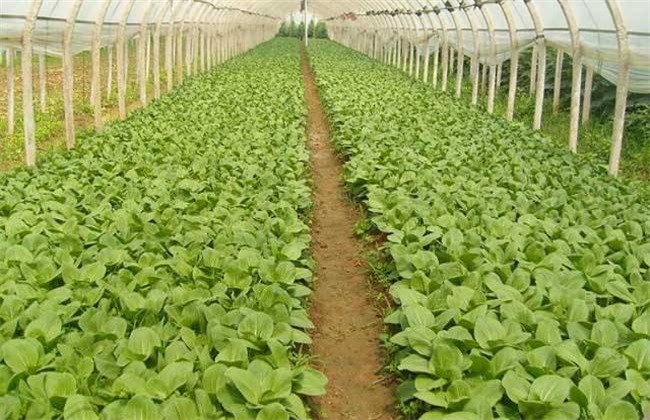
1. Suitable vegetables
At this time, peppers, eggplants, and tomatoes are in the final peak fruiting stage and are about to finish their fruiting period. You can plant some other warm-loving vegetables, such as baby bok choy, small chives, spinach, small radishes , and leaf lettuce. In the later part of autumn, you can plant some overwintering vegetables. In the south, vegetables such as radishes, garlic, red vegetable sprouts, Chinese cabbage, and cilantro are often planted.
2. Temperature management
At this time, for vegetables to be harvested, the temperature should be controlled, and suitable temperatures should be maintained as much as possible, which is more favorable for harvesting and storage. For greenhouses that begin planting off-season vegetables, the outdoor temperature can be maintained temporarily, and seedlings can be raised and planted outdoors. When winter arrives, adjust the temperature again. As long as the temperature is kept above 22°C, off-season vegetables can be grown. For vegetables grown in open fields according to the season, attention should be paid in winter to preventing freezing damage and ice damage.
3. Water and fertilizer
In winter, root and tuber underground vegetables need continuous watering and must not be allowed to dry out. Although the sun is not strong in autumn, there is not much rain, so watering is needed. However, do not water too much at one time, as it is easy to cause root cracking and root rot. Fertilization should also be combined with watering to regulate the concentration of the soil solution. Fertilization mainly involves applying nitrogen fertilizer to leafy vegetables. Using farmyard manure has a comprehensive effect.
4. Planting
Some vegetable seedlings can be directly transplanted in autumn. After clearing the field, re-prepare the soil, and then planting can begin. If there is not enough time to raise seedlings, you can buy seedlings for planting. Transplant in the afternoon on a sunny day, or plant on a cloudy day. Leafy vegetables are most suitable for planting in light rain, as they will not lose water and will recover easily. For base fertilizer, 1500 jin of farmyard manure can be used per mu. The planting density is 20 to 30 cm per plant, with consistent spacing between plants and rows.
The autumn vegetable harvest season and the sowing and planting season for some vegetables overlap, and vegetables can also be planted for delayed autumn production. Off-season planting can also begin. They all come together. At this time, attention should also be paid to the management and coordination of temperature, water, and fertilization.