Key Points and Correct Methods of Topdressing for Ginger
Ginger is a very common side dish in our area and is welcomed by many people. It also has various medicinal effects such as dispersing wind and relieving vomiting, and relieving cough. It is grown all over our country, and when growing ginger, topdressing is an essential task. When topdressing, we should reasonably adjust the topdressing method according to the different growth stages of ginger. So how exactly should it be done? Below, the editor brings you the topdressing techniques for ginger. Let's take a look together!
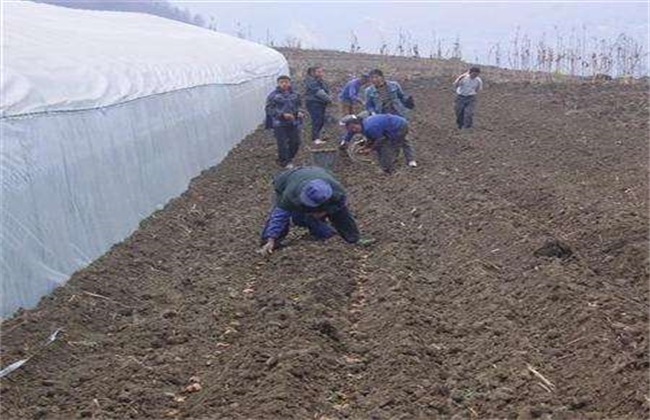
1. Base fertilizer
Base fertilizer is the first fertilization task to be carried out when planting ginger. We should apply fertilizer according to the pattern of ginger's nutritional needs. Because ginger has a greater demand for nutrients in the middle and later stages, the base fertilizer should be mainly organic fertilizer. Before planting, apply about 550 kg of high-quality decomposed farmyard manure per mu. Then at planting time, apply an appropriate amount of cake fertilizer by the hole application method, and supplement an appropriate amount of compound fertilizer. If the soil is deficient in trace elements, then we should also apply an appropriate amount of trace element fertilizer, such as zinc sulfate, borax, etc.
2. Topdressing at the seedling stage
The growth amount of ginger at the seedling stage is relatively small, and its demand for fertilizer nutrients is not very great. However, the seedling growth cycle of ginger is relatively long, so in order to ensure robust seedling growth, fertilizer should still be applied appropriately. Generally, when the seedlings grow to about 30 cm tall and have grown about two small branches, topdressing should begin, which is also the first topdressing task in the ginger growth process. It is generally called strong seedling fertilizer. The topdressing fertilizer can be mainly ammonium sulfate, and the amount should not be too much, generally controlled at about 18 kg/mu.
3. Topdressing at the branching stage
The turning point in ginger's growth is around the Beginning of Autumn, when ginger's growth speed accelerates and its demand for nutrients also expands. Therefore, the amount of fertilizer applied should be increased. In order to ensure ginger yield, an appropriate heavy application of organic fertilizer should be made once to promote robust plant growth and provide sufficient nutrients for the expansion of ginger rhizomes. The fertilizer is generally mainly cake fertilizer and farmyard manure, and then water-soluble fertilizer is applied as topdressing in the form of drip irrigation. While supplementing basic elements such as nitrogen, phosphorus and potassium, trace elements such as boron and zinc should also be appropriately supplemented to provide comprehensive nutrition for ginger.
4. Topdressing at the expansion stage
The growth of ginger after entering the expansion stage is very important. If nutrients are insufficient, it will directly affect the expansion of ginger and have a very large impact on its yield and quality. Generally, when the plant has grown 7 branches, ginger has entered the expansion stage. After entering the expansion stage, according to the growth condition of ginger, a topdressing of strong ginger fertilizer should be applied in time. The fertilizer should be mainly potassium fertilizer, applied about 3 times, and the fertilizer type should be mainly macronutrients, to promote normal expansion of ginger.
The above is a brief introduction to ginger topdressing techniques. The topdressing work in ginger planting is very important. It is necessary to ensure that ginger's fertilizer needs are met and increase yield. That is all for today's introduction. This article is for reference only and I hope it can help everyone!