What to Do About Wheat Frost Damage? Detailed Explanation of Prevention and Remedial Methods
Wheat is one of the main grain crops in our country, and its planting area in China is very large. Although growing wheat is not difficult, various problems often arise during cultivation that affect wheat growth and lead to reduced yields. Wheat frost damage is one of the most common of these, so how do you prevent wheat frost damage? And what should you do after wheat frost damage? Below, the editor gives a brief introduction for everyone. Let's take a look!
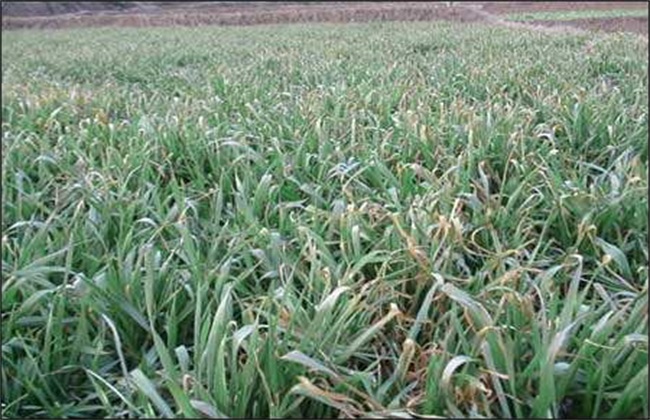
I. Preventive Measures
1. Increase Mulch Cover
Before winter arrives, we should spread an appropriate amount of straw between the wheat rows. For example, wheat chaff, wheat straw, and so on, with the coverage amount kept at about 280 kg per mu. Proper mulching can improve the soil's ability to retain moisture and resist freezing. Moreover, after the straw decomposes, it can also improve the soil, increase soil fertility, and effectively raise yields. Then, after the wheat overwinters, spread an appropriate amount of farmyard manure along the rows. This not only blocks the wind and preserves moisture, but also achieves the purpose of raising temperature and preventing freezing. Furthermore, after the wheat enters the greening stage in the second spring, it can also provide sufficient nutrients, with the mulch thickness kept at about 3 cm.
2. Timely Winter Irrigation
Doing winter irrigation well is a main measure for preventing wheat frost damage. Winter irrigation can improve the soil moisture environment, regulate nutrients in the middle soil layer, increase the soil's heat capacity, and raise the ground temperature by about two degrees. It can also close up soil cracks, promote wheat tillering, and cultivate strong seedlings. When carrying out winter irrigation, it should be done when the daily temperature is around 5 degrees. If it is below 5 degrees, then wheat is very prone to disease. It should also be reasonably adjusted according to soil conditions, seedling conditions, and so on. For example, clay soil should be irrigated appropriately early, while sandy soil should be irrigated appropriately late.
II. Remedial Measures
1. Irrigation After Freezing
After wheat shows frost damage, water it promptly. At this time, pay attention to the quality of irrigation; post-freeze irrigation should soak it thoroughly and sufficiently. It should mainly use a large amount of water; a small amount of water is not only troublesome to apply but also has an insignificant effect. If it is late frost damage, then the best remedial measure is irrigation. The more water applied, the faster the wheat recovers growth, so losses can be reduced as much as possible. Also be sure to pay attention to the amount of irrigation to ensure it is sufficient in one go. If it is not soaked thoroughly, then due to evaporation and other reasons, the yield will still be greatly affected.
2. Strengthen Management
For wheat whose leaves are frozen but whose tillering nodes have not completely died from freezing, we should promptly apply a nitrogen fertilizer, mainly urea. Combined with one irrigation, this can help the frozen wheat recover as soon as possible and promote normal growth. Then, for wheat fields affected by frost damage, carry out one cultivation and loosening of the soil to improve the soil's water storage capacity and temperature. This can also help the wheat tiller and form ears as soon as possible. Finally, focus on promotion and strengthen the mid-to-late management of wheat seedlings. Try to recover the losses caused by frost damage and reduce the losses to the minimum.
The above is a brief introduction to what to do about wheat frost damage. No matter how promptly you remedy wheat frost damage, it will more or less have a certain impact on yield, so prevention should still be the main focus. That is all for today's introduction. This article is for reference only, and I hope it can help everyone!