Analysis of the Causes of Low Konjac Yield and Preventive Measures
Konjac itself is a high-yielding cash crop, but many farmers keep asking about the problem of low konjac yield. So what causes low konjac yield? How should it be solved to increase konjac yield? Let's find out together.
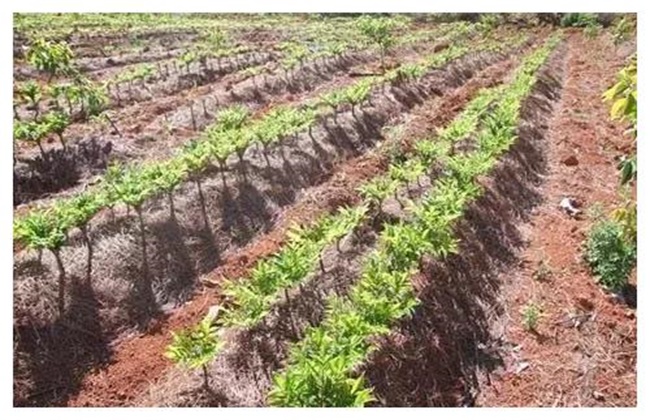
1. Poor quality of seed corms
If seed corms have severe diseases, mechanical damage, an overly large corm scar, or uneven age and size, this will affect the growth and development of konjac, leading to various problems during the growing period, indirectly affecting the final yield and resulting in low yields.
Preventive measures: Carefully select seed corms before sowing, choosing corms that are undamaged, free of disease spots and free of rot as seed corms, and strictly control the quality of seed corms.
2. Numerous pests and diseases
There are 14 common diseases of konjac, with a complex population, often with pests and diseases causing damage alternately. Among them, konjac soft rot and white rot are called the cancer of konjac, and there is currently no specific effective control agent. Once infected, the yield is reduced in mild cases, and the entire crop may be lost in severe cases.
Preventive measures: Deeply plow the soil before sowing to reduce the base number of pests and diseases. If conditions permit, spread disinfectant chemicals to reduce the probability of pests and diseases. Choose high-efficiency, low-toxicity biological pesticides to control pests and diseases. Use 30 grams of agricultural streptomycin sulfate or 30 grams of Copper Master, or 60 grams of Longkejun per mu, mix with 40 kg of water and spray to control konjac pests and diseases. Apply the pesticide once every 10-15 days, for 3-4 consecutive times, for a better preventive effect.
3. Improper cultivation mode
For example, choosing pit-like waterlogged fields, continuous cropping fields, barren fields, yellow clay soil and other field plots to plant konjac, sowing before winter, or adopting clean cropping or excessive shading and other poor intercropping modes will all affect the yield of konjac.
Preventive measures: Before planting, choose gently sloping land or flat land with higher terrain and good drainage, with deep soil layers, fertile soil, high organic matter content, and preferably light-textured sandy loam soil.
4. Improper management
Using undecomposed farmyard manure when fertilizing, applying too much nitrogen fertilizer or using potassium chloride-type compound fertilizer; not treating seed corms and soil with chemicals; sowing too deep or too shallow; not adopting high-ridge cultivation, resulting in poor drainage; not carrying out chemical prevention during the konjac growing period; not cleaning the field, etc.; all of these will lead to freezing damage, fertilizer damage, water damage, weed damage, drought damage and so on, thus causing yield reduction.
Preventive measures: Fertilize reasonably. Organic fertilizer or farmyard manure must be fully decomposed before application. Seed corms and soil must be disinfected with chemicals before sowing. The sowing depth should be appropriate, neither too deep nor too shallow. When choosing a plot, be sure to choose gently sloping land or flat land with higher terrain and good drainage, and promptly clean the field to prevent pests and diseases and increase yield and quality.
The above is an introduction to the causes of low konjac yield and preventive measures. We hope it can help you. To learn more related knowledge, please stay tuned to us.