How to prevent and control sclerotinia rot in fennel? A detailed guide to practical methods
Fennel is a common leafy vegetable, and sclerotinia rot is a common disease during cultivation. If it is not controlled in time, it can cause severe yield losses in fennel. So how should sclerotinia rot in fennel be prevented and controlled? Let's learn about it together with the editor.
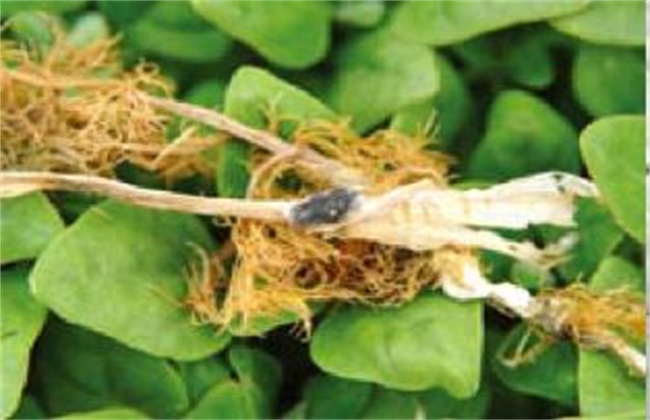
1. Disease symptoms
Sclerotinia rot in fennel mainly affects the leaf stalks near the ground and the stem. The affected parts often develop brown, water-soaked, irregular lesions, and later the diseased area gradually becomes wet and rotted. The tissues above the diseased area often wilt, and in severe cases the aboveground parts die due to lack of nutrients and water. In humid environments, the diseased area produces large amounts of white mycelium, which later twists together into black sclerotia.
2. Occurrence pattern
Sclerotinia rot is a fungal disease. The pathogen mainly overwinters as sclerotia in the soil or mixed with seeds, and when conditions are suitable the following year, ascospores spread through wind and rain. The timing of onset differs by region. It is highly prone to occur in plots with continuous cropping, heavy clay soil, low-lying terrain, and poor drainage that easily accumulates water; in addition, excessive planting density and poor field ventilation can also induce this disease; uneven fertilizer and water application, which leads to excessive vegetative growth, rampant growth, or weak growth and low disease resistance, can also give this disease an opportunity; low temperatures in early spring, long periods of continuous rain, and long-term excessive humidity inside protected cultivation structures lead to more severe disease.
3. Prevention and control methods
Rotate with non-Apiaceae vegetables for 2—3 years. If conditions permit, paddy-upland rotation can be carried out. When planting, choose flat terrain that is not prone to water accumulation for cultivation as much as possible. Strengthen fertilizer and water management to promote robust growth and enhance disease resistance. Be sure to ventilate and drain moisture in a timely manner. During low-temperature seasons, water as little as possible during cultivation to avoid flood irrigation. When diseased plants are found, remove them promptly and take them out of the field, then spray the corresponding pesticide for control. After harvest, plow deeply in time, or irrigate and soak, or close the greenhouse for 7—10 days to use high temperatures to kill sclerotia in the surface layer, or disinfect the seeds before sowing.
The above is an introduction to the prevention and control methods for sclerotinia rot in fennel. We hope it can help you. To learn more related knowledge, please stay tuned to us.