Stages of Rice Maturity and the Characteristics of Each Stage
Rice is the main food crop for people in China, and it is basically grown throughout the south. When rice matures is a question that some growers care about. Although different varieties mature at different times, most ordinary varieties follow the same timeline. So today, what I mainly want to introduce is how many stages the entire maturity period of rice goes through and roughly how long it takes. This will help everyone understand the real situation of rice maturity.
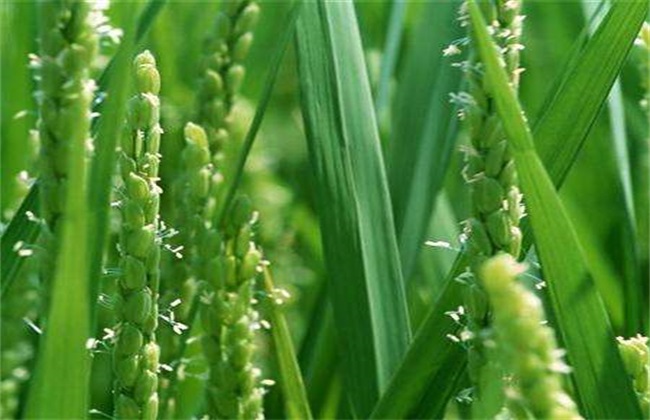
1. Milk-ripe stage
Generally, one week after flowering, grain filling begins. During grain filling, the inside of the grain is a milky white liquid and has not hardened. As it grows, it begins to accumulate starch nutrients, gradually gaining some weight, and finally begins to harden while the inside starts to turn white, though the outer husk is still green. This short period is called the milk-ripe stage. It lasts about one week.
2. Dough-ripe stage
During this period, the grain begins to harden, but it can still be crushed by pinching it with your hand. It has a hardness similar to a candle, and there are still some sticky substances. The green color of the husk gradually disappears and turns light yellow, but there is still a little green, not completely gone. At this time, the weight has already stabilized. It will not gain more weight. This period lasts about one week to a little more than one week.
3. Yellow-ripe stage
The grain has completely turned yellow, has little moisture, and no sticky substances. At this point, pressing it with your hand no longer easily crushes it. At this time, the plant has also turned yellow to a large extent, with only the base of the plant still green. The dry matter content is already complete, and the maturity level has reached more than 95%, so it can basically be harvested.
4. Dead-ripe stage
At this time, the rice grains are already fully mature and should be harvested as early as possible. Otherwise, the rachis and stems that bear the grains tend to turn yellow and dry out and are easily broken. The grains tend to fall into the field. The soil in the field is basically relatively dry, with no standing water. It looks like only 40% humidity. If it is not harvested at this time and rain occurs, the grain is prone to mold and spoilage. The rice ears are relatively heavy, and some tend to lodge in the field.
Rice goes through these four stages as it matures. It is best to harvest at the yellow-ripe stage, which can ensure yield without loss. Harvesting right when it is mature means it will not fall off. Harvesting will not be too early; if it is early, it may not yet be mature, and there will be a certain loss.