What are the symptoms of nutrient deficiency in sesame? Detailed explanation of remedial measures
Sesame is a common crop, grown in many regions of our country. For farmers, the pursuit for crops is high yield and high quality, and sesame is no exception. Only when the plants grow well can high yields occur, but poor sesame growth is generally caused by nutrient deficiency. Below, let's learn together about the symptoms of nutrient deficiency in sesame and the remedial methods.
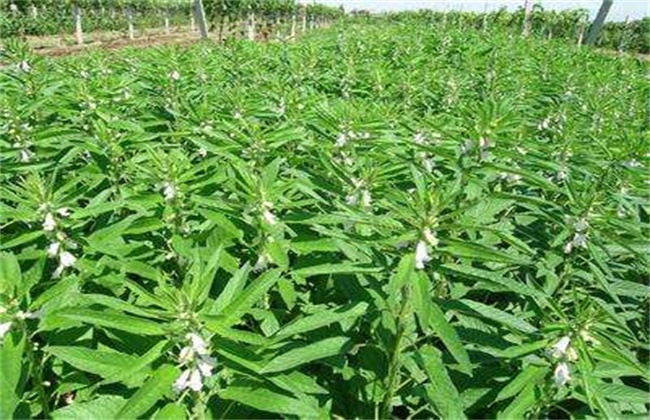
I. Symptoms of nutrient deficiency in sesame
1. Deficiency of nitrogen, phosphorus and potassium
Sesame is a crop with a relatively high nitrogen requirement. If nitrogen is deficient at the seedling stage, its leaves will turn green and upright, the basal leaves will become lemon yellow or orange-yellow, and the plants will be short. If nitrogen is deficient at the flower bud stage, the plants will mature prematurely, affecting the final yield. Phosphorus deficiency in sesame will cause the basal leaves to appear dark black to grayish green; potassium deficiency will cause the edges of the old basal leaves to curl upward in a wavy manner, with lemon chlorotic mottling, gradually turning bright orange-yellow, and finally bronze.
2. Deficiency of boron, zinc and calcium
The zinc element affects the synthesis of auxin in the plant body. When sesame is deficient in zinc, leaf differentiation is hindered, resulting in smaller leaves and short plants; the boron element has a great influence on pollen differentiation and reproductive growth of sesame. When the soil is deficient in boron, the flowers are small, the capsule tips have obvious blighted spots, and they are very easy to drop; calcium deficiency very easily causes necrosis of leaf tips, leaf shrinkage, root and stem wilt, and plant lodging. Generally, acidic soil has low calcium content, and if rainwater leaching is added, calcium deficiency is very likely to occur.
3. Deficiency of magnesium, manganese, sulfur and copper
When sesame is deficient in magnesium, the areas between the veins of the basal leaves will become chlorotic, while the veins remain green, and the leaves are very likely to wither and drop; sesame is relatively sensitive to manganese fertilizer, and manganese deficiency will cause dark green stripes to appear along the veins and small necrotic spots between the veins. The sulfur element affects oil formation, and sesame has a relatively large demand for sulfur, so sulfur deficiency will affect yield and quality; copper deficiency will show weak growth, yellowing and loss of green in new leaves, clustered lateral buds, and hindered reproductive development of buds and flowers.
II. Remedial methods
The three elements nitrogen, phosphorus and potassium are relatively easy to remedy, and can be improved by topdressing fertilizers such as urea, ammonium sulfate, superphosphate and potassium chloride, or supplemented by foliar spraying of urea solution. For the zinc element, a low-concentration zinc sulfate solution can be sprayed on the leaves; for the boron element, 1%-2% borax solution can be sprayed; for calcium deficiency, a 0.3% calcium chloride aqueous solution can be sprayed on the leaves; for magnesium deficiency, a 1%-2% magnesium sulfate solution can be sprayed on the leaves; for manganese deficiency, a 1% manganese sulfate solution or EDTA chelated fertilizer can be sprayed on the leaves; for sulfur deficiency, sulfur-containing fertilizers such as ammonium sulfate and potassium sulfate can be topdressed.
The above is an introduction to the symptoms of nutrient deficiency in sesame and remedial measures. We hope it can help you. To learn more related knowledge, please follow us.