Key Techniques for Growing Water Dropwort in Greenhouses in Summer
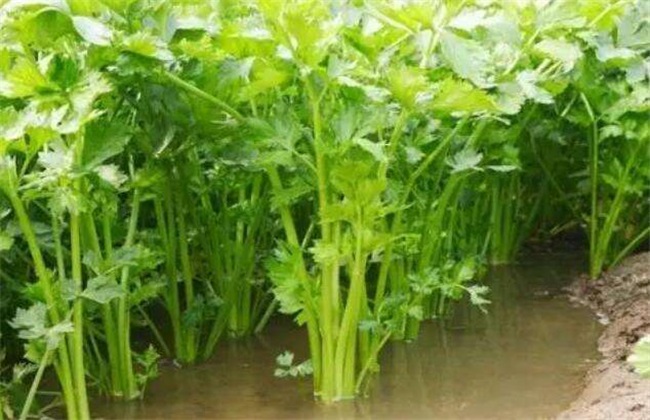
Water dropwort is also known as wild celery, commonly growing in watery places such as watersides, ditches and field edges. Water dropwort is a perennial plant with a rich fragrance and good taste, and is deeply loved by people. At present, it is mainly a wild vegetable distributed in Asia. But in fact, it is now also cultivated artificially. Taking advantage of water dropwort's love of water and its ability to grow in water, artificial cultivation has adopted the method of greenhouse water culture. Let's take a look.
1. Greenhouse setup
Summer is hot, which affects growth, so the greenhouse used in summer planting is actually a shade and cooling facility, mainly to lower the temperature so that the celery grows better. Choose the planting field well and build the greenhouse, which can be built directly in the paddy field. After plowing the field, mixing in fertilizer, irrigating and raking level to make beds, it is ready for use.
2. Planting
In summer, planting can be done twice. For the first time, old plants from the previous crop are harvested directly, the tender branches and leaves are cut off, and the old stems are cut directly into small sections for direct cuttings, with a spacing of about a few cm. After about a month, new plants will form. They can be pulled up directly for sale. The second time requires sowing, directly broadcasting on the bed surface, then covering with rice straw, watering to keep moist, and continuing to cultivate after sprouting.
3. Greenhouse management
A greenhouse film with a shading rate of 60% is required. It must not be too high, or the seedlings cannot carry out photosynthesis; it must not be too low, or the shading effect is poor and growth will still be affected. When the sun is strongest, water should be sprayed on the greenhouse to lower the temperature. A shade net should be set up over the greenhouse. Generally, the film should be opened at night to let air through and allow ventilation, avoiding too much carbon dioxide.
4. Fertilization
After the base fertilizer, topdressing can be done when there are 5 leaves, applying 1000 jin of fermented farmyard manure per mu. Do not use poultry manure. When fertilizing, do not pour it on the leaves, as the fertilizer concentration can easily burn the leaves. When fertilizing, drain some water so it is easily absorbed into the soil, then irrigate two days later to avoid excessive concentration, and to maintain the water demand of the root system. After that, continue topdressing according to the observed growth.
5. Irrigation
Water dropwort cultivation is mainly in a water environment and requires a clear water source. At sowing time, it can be kept alternately dry and wet, which makes it easy to germinate and will not wash away the seeds. When the seeds have sprouted and the seedlings have grown enough that they cannot be washed away, a 5 cm water layer can be maintained. When the growth height reaches more than 20 cm, the water depth can reach 15 cm. During the high temperatures of the day, use deep water; at night when it cools down, shallow water can be used for cultivation.
Water dropwort cultivation is mainly done in water, and growth is managed mainly by regulating water. Note that in summer it can be planted twice, but the methods are different. The greenhouse is mainly for shade cultivation, improving the growing environment, because high temperatures are unfavorable to the growth of water dropwort.