Detailed Explanation of High-Yield Cultivation Methods and Technical Points for Black Nightshade
Black nightshade (Solanum nigrum) is an annual plant that produces round black berries, and the entire plant can be used as medicine, including the fruit. It belongs to the juicy berry category. It grows over a wide range in the wild and is easy to grow. It spans from temperate to tropical zones. Black nightshade is easy to cultivate and very suitable for artificial cultivation. However, if you want high and abundant yields, cultivation still requires attention to certain methods and techniques. You cannot just leave it to grow on its own. Let's take a look at these specific methods right away.
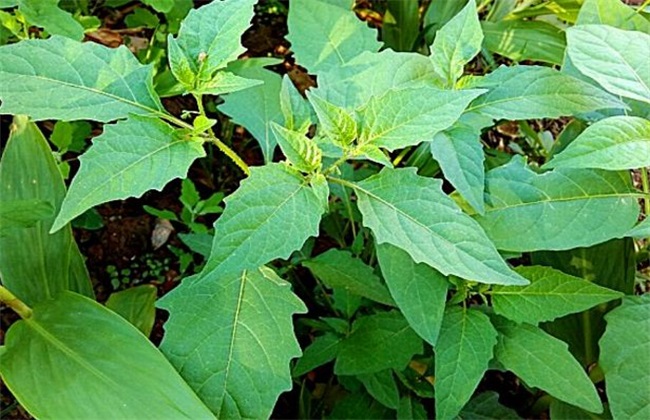
1. Planting Density
Generally, planting should be done sparsely without wasting soil resources, not too densely. In summer with high temperatures and frequent rain, drainage is inconvenient, air humidity is relatively high, and a closed canopy space aggravates disease. When plants are crowded, manual farming operations can easily damage the plants or cause plants to touch each other and transmit diseases. Generally, about 3000 seedlings are planted per mu. Roughly one plant per hole, with a row spacing of 30 cm and a plant spacing of 30 cm.
2. Thinning and Weeding
After the seedlings emerge and grow to have 3 leaves, crowding will occur. At this time, you must thin the seedlings, removing small seedlings, weak seedlings, and a few diseased seedlings. Leaving the robust seedlings is enough to maintain the remaining growth. During thinning, pay attention to pulling out nearby weeds, and weeds between the rows should also be removed. Prevent weeds from growing up and clogging the space between rows.
3. Topping
Topping: for plants without an obvious main trunk, when the main branch grows to sufficient length, top it to promote side branch growth. When side branches grow to a certain extent, top them again, thus promoting full branches throughout the whole plant. In this way, after young shoots grow, you can pick more young shoots. You can pick young shoots multiple times for eating. Each time side branches develop, fertilize promptly to ensure nutrition. The number of side branches determines the yield.
4. Topdressing and Watering
Generally, after each harvest of young shoots, apply fertilizer once to replenish nutrients. Use quick-acting chemical fertilizers, which can quickly supplement nutrients. Generally, about 30 jin of nitrogen fertilizer (urea) and 35 jin of compound fertilizer. If you have time, you can spray potassium dihydrogen phosphate and the like. Maintaining leaf nutrition will make the taste much better and improve the plant's resistance.
5. Harvesting
Since the main harvest during the growing period is young shoots, when harvesting, pay attention to the harvesting node position, do not damage the stems and leaves, and minimize damage so the plant can recover as quickly as possible. Only pick the first node below the young shoot, do not over-harvest, pick gently, and do not pull or yank forcefully. Do not bruise the plant.
This harvesting method for black nightshade determines that during the cultivation process, topdressing must be done multiple times to maintain nutrition, maintain plant vigor, and extend the harvesting period. Then