How to control the main pests of greenhouse vegetables? These techniques must be mastered
Greenhouses artificially create an environment suitable for vegetable growth and improve temperature regulation, which can change the market season of vegetables, adjust market demand, promote high-quality and high-yield vegetables, and is one of the effective means of increasing farmers' income. However, there are also quite a lot of greenhouse pests, so how should the main greenhouse pests be controlled? Let's learn about it together.
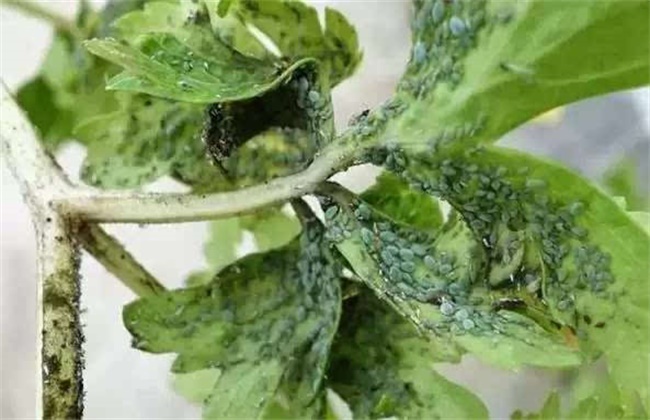
1. Aphids
There are three main types of aphids in greenhouses: melon aphid, bean aphid, and green peach aphid. They can occur for 20-30 generations each year and cause damage year-round. Aphids mainly gather on the underside of leaves and on tender stems, using their piercing-sucking mouthparts to suck plant sap, causing leaves to turn yellow, curl, and even die. In addition, they also transmit viral diseases, causing great harm.
Control method: Aphids can be controlled by spraying with pesticides such as Ekatin, cypermethrin, and pirimicarb. Pay attention to the pesticide concentration. Generally, spray once every 3-5 days, for 2-3 consecutive sprays. At the same time, in order to avoid resistance, control the number of pesticide applications and alternate their use.
2. Whiteflies
Whiteflies cause extremely extensive damage. When causing damage, they gather on the underside of leaves and use piercing-sucking mouthparts to suck plant sap, causing leaves to lose green color and turn yellow, and even the whole plant to die. In addition, whiteflies also secrete large amounts of honeydew, causing sooty mold, affecting photosynthesis, and reducing yield and quality.
Control method: Spray with buprofezin, methomyl, fenpropathrin, and imidacloprid for control, once every 5-7 days, for 2-3 consecutive sprays. Likewise, pay attention to alternating use to avoid resistance.
3. Red spider mites
Red spider mites can occur for about 20 generations a year. They occur more severely under high temperature and dry conditions. When the temperature exceeds 30°C and the humidity is greater than 70%, it is unfavorable for their occurrence. When nitrogen fertilizer is excessive, damage on old leaves is more severe. They suck sap on the underside of leaves with piercing-sucking mouthparts and form silk webs. Damaged leaves lose green color, develop white spots, and gradually die.
Control method: Promptly remove old lower leaves and take them out of the greenhouse to burn. At the same time, control high temperature and high humidity inside the greenhouse, water promptly, and inhibit the spread of the disease. It can also be controlled with pesticides such as % farm miticide emulsifiable concentrate, mite emulsifiable concentrate, and isocarbophos emulsifiable concentrate, spraying once every 7—10 days, for 2—3 consecutive sprays.
4. Thrips
Thrips mainly harm crops such as cucurbits, eggplant, and legumes, occurring for about 15 generations a year, reproducing year-round, with overlapping generations. They are relatively active and generally cause damage on the underside of leaves or by drilling into petals, continuously sucking the sap of tender leaves, tender shoots, flowers, and young fruits. After leaves are damaged, they appear grayish-white, gradually turn yellow-white and dry up. Damaged tender shoots and flowers turn black, fade, harden, and shrink, seriously affecting growth.
Control method: After damage occurs, pesticides such as Ekatin, cypermethrin, Qixingbao, and imidacloprid can be used for reproduction, and an equal amount of synergists can also be added, such as Xiaokangye, Hailiping, Shengqianling, etc., spraying once every 3—5 days, for 2—3 consecutive sprays.
The above is an introduction to the control techniques for the main pests of greenhouse vegetables. I hope it can help you. To learn more related knowledge, please follow us.