How to grow Humulus scandens? A detailed guide to Humulus scandens cultivation techniques
Humulus scandens is a climbing herbaceous plant in the Moraceae family, also known as "cutting vine" because the entire plant is covered with barbs, and you can get cut by it if you are not careful. Humulus scandens was originally a weed that everyone hated, but in fact it can be used as forage for livestock. Its seeds can also be used as medicine, with effects such as clearing heat and detoxifying, and promoting diuresis to treat strangury. So how should Humulus scandens be grown? Below, the editor will introduce it to you, let's take a look!
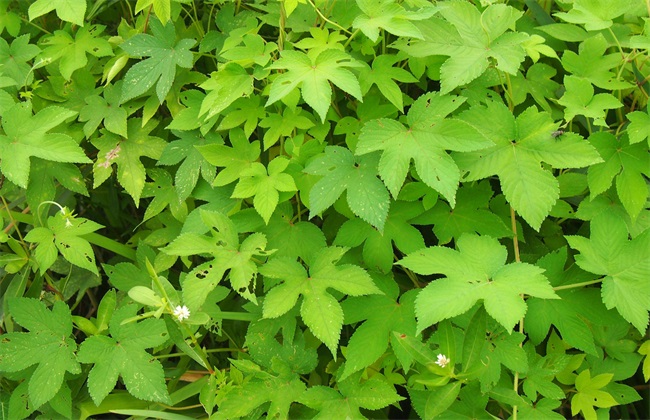
1. Growth habits
Humulus scandens has very strong adaptability and can survive in various places. It can grow and reproduce with an average annual temperature of 6-21 degrees, rainfall of 400-1350mm, and soil pH of 4.2-8.3. However, Humulus scandens generally prefers to grow in soil with sufficient fertility; compared with poor soil, it grows more vigorously in fertile soil. The male and female flowers of Humulus scandens bloom at different times. The male plants generally bloom around July each year, while the female flowers are delayed by one month, and after September, the seeds gradually mature.
2. Propagation methods
The propagation method of Humulus scandens is generally mainly seed propagation. The seed yield of Humulus scandens is very high. Under normal circumstances, a single plant can produce up to tens of thousands of seeds. Wild plants mainly spread seeds through wind and insects, and after the seeds enter the soil, they generally can germinate and emerge the following year. Therefore, many places have been harmed by Humulus scandens. If using artificial seeds, then we should harvest mature seeds in September, and then sow them by the hole sowing method in April of the following year. Control the row spacing well, dig the sowing holes, mix the seeds evenly with plant ash, and then sow. After sowing, cover with soil and water.
3. Cultivation techniques
When the seedlings of Humulus scandens grow to about 11 cm high, thinning should be done in time. If missing holes are found, then reseeding work should be done well. Under normal circumstances, about 3 seedlings are kept in each hole. When the stems and vines grow to about 1 m, trellises should be set up in the field to satisfy the climbing nature of Humulus scandens and encourage its branches and vines to twine and grow. During the growth period of Humulus scandens, intertillage should be carried out at least about 3 times. In spring and summer each year, appropriate topdressing should be applied to improve soil fertility and meet the nutritional needs of Humulus scandens for growth. Then in winter, an appropriate amount of farmyard manure should be applied to help it overwinter.
4. Pest and disease control
Although Humulus scandens has strong growth ability, it is also often threatened by pests and diseases during growth, such as rust, powdery mildew, and aphids. Therefore, when planting, we must do a good job in pest and disease control. Strengthen management, prune appropriately, control the types of fertilizer when fertilizing, reduce the application of nitrogen fertilizer, increase the proportion of phosphorus and potassium fertilizer, and improve the disease resistance of Humulus scandens. After diseased leaves are found, they should be cut off in time, and then taken out of the field together with diseased residues and weeds in the field for burning treatment.
The above is a brief introduction to the cultivation techniques of Humulus scandens. Growing Humulus scandens is actually very simple, but care should be taken to avoid affecting crops, so the planting plot should be far away from crop planting areas. That is all for today's introduction. This article is for reference only, and I hope it can help everyone!