Detailed Explanation of Key Broccoli Cultivation and Management Techniques
Broccoli is a curd-type vegetable. Although it is not native to China, it has a history of introduction and cultivation spanning many years. The techniques for cultivation and planting, including management, are quite extensive. The planting methods, the cultivation and breeding process, and the final management work all have certain requirements and particularities and cannot be done arbitrarily. If you would like to learn something about these aspects, you can take a look below.
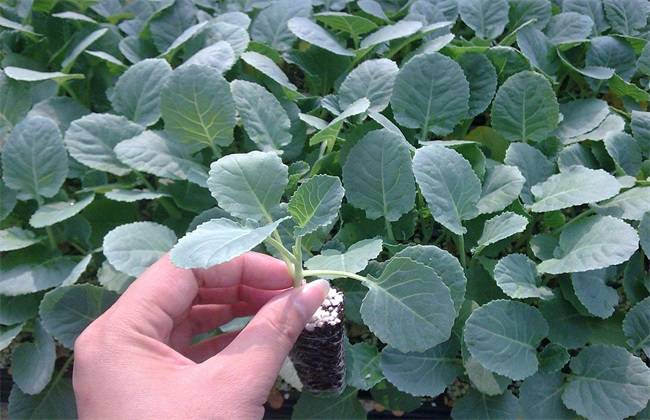
1. Planting
The seeds for planting should be treated before sowing. Sow after soaking in a medicinal solution and soaking for germination. If the seeds are packaged, they may have already been disinfected, so they can be soaked directly. When sowing, the white sprouted shoots must be covered with soil to avoid water evaporation and withering of the young sprouts. Maintaining moisture is a task that needs attention from before emergence through the seedling stage. They must not lose water. However, the seedbed should not accumulate water, as waterlogging will rot the seeds. For seedlings, the main thing to watch for is disease management; seedlings are most prone to damping-off disease. Moisture control is an effective method of suppressing disease.
2. Cultivation
When the seedlings grow to 7 to 8 cm, they can be transplanted. Transplant early rather than too late, when the root system is at just the right stage of growth. If the seedlings are too old, many roots will be damaged when they are pulled out. For transplanted seedlings, planting can be done somewhat deeper to protect root growth. They recover faster. At this time, hardening off is generally not needed. Pay attention to helping the seedlings recover, providing water and nutrients. After growth has recovered, the main tasks are topdressing, watering, and weeding to promote growth. Do not plant too densely between rows; leave gaps for the heading stage of growth.
3. Management
Management includes matters such as fertilizer and water, soil nutrients, and pests and diseases. From the heading stage onward, the amount of fertilizer applied gradually needs to be increased to meet the nutritional needs of heading. Finally, attention must be paid to the supply of soil nutrients. The soil itself has certain natural nutrient elements, but these are easily depleted as growth proceeds. Therefore, attention must be paid to supplementary fertilization, especially for trace elements, which must not be lacking. During the growing period, plants are prone to certain diseases, commonly downy mildew or brown spot disease. These diseases damage the branches, leaves, and curds. Key efforts should be made to prevent and control them.
4. Notes
The broccoli curd grows gradually. If disease damages the curd during this period, the losses are relatively large. High temperature and high humidity can trigger certain diseases and are disease-inducing factors. Whether growing in open fields or greenhouses, temperature must be reduced and humidity controlled. Drought favors certain insects, causing outbreaks and damage, so prevention can be carried out in advance to reduce harm. Under high temperature and drought, do not fertilize, fertilize less, and choose the right fertilization method.
Broccoli cultivation spans the whole process from seed all the way to mature curds. The management, adjustment, and points requiring attention have been introduced separately above. Therefore, management must pay attention to the stage of growth. You cannot keep managing it the same way throughout, or fail to carry it out thoroughly.