Dandelion Planting Methods and Timing Explained
Dandelion is a wild vegetable and also has certain medicinal effects, and it can be cultivated artificially. To plant dandelions, you first need to be clear about whether your local area is suitable for planting them. If the environmental conditions are met, you also need to select good seeds. Only then can you consider the various issues involved in actually planting them, such as methods, timing, and management. For specific details, please continue reading.
I. Planting Time
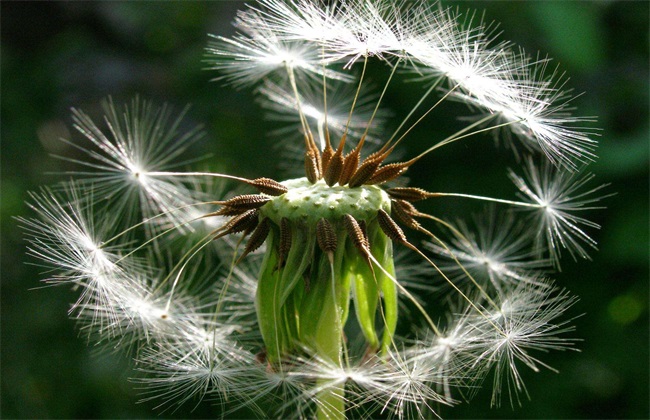
Seed collection: the seeds mature in June and can be picked in time; they must be picked before the seeds disperse. Planting should be done in autumn in September. If you buy seeds, you can start planting in spring, and you can plant once more in autumn. The timing is just these two periods, mainly because you need to catch the suitable temperature environment. It is mainly affected by temperature. Facility cultivation can advance the timing, and if a suitable temperature can be reached in winter, planting is also possible.
II. Planting Methods
1. Environment
Plant in warm areas; it generally blooms in April and sets seed from May to June. It is not cold-tolerant, not drought-tolerant, and afraid of waterlogging. The planting soil should be deep, loose, and nutrient-rich soil, and the site should be on hillsides, mountainous land, or places with a low water table. The planting site should be sheltered from the wind and must not be in a wind gap; otherwise, once the seeds mature, they may all be blown away by the wind.
2. Seedling Stage
The seeds are very small, so they can be direct-sown; direct sowing can actually shorten the germination time, but moisture management needs to be maintained. Since the watering area is relatively large, other sprinkler irrigation should be used to preserve moisture. After the seedlings emerge, they generally will not become diseased or die. However, attention must be paid to sunlight exposure; strong light is unfavorable to the seedlings, so a shade net can be put up. This can reduce temperature and light and give the seedlings some growing space.
3. Growth Stage
The seedling stage is roughly over after the seedlings grow to ten leaves. Once the seedling stage ends, light can be gradually increased to ensure the leaves' photosynthesis, produce continuous nutrients, and help the root system and plants grow. At this time, some additional fertilizer may also be applied appropriately; generally, they still grow well without fertilization, but for better results, fertilizer should be applied. This continues until flowering and seed setting; the flowering and seed-setting period is relatively fast, so management should be concentrated and the key period for seed collection should be seized. However, if it is for eating, it can be harvested during the growth stage.
Dandelion is a wild vegetable with medicinal value. Its edible value is relatively good, and planting and management are relatively easy, but the harvest timing must be seized. However, each planting should preferably leave seeds for future planting. Pay attention to the simple degree of environmental adaptability and do not plant blindly.