How should potatoes be planted to achieve high yields?
The potato is the most commonly eaten potato in our daily lives, and its planting area in our country is very large. When planting potatoes, people still focus more on the yield of potatoes, and the yield directly affects the planting benefits of farmers. So now many people are trying every possible way to increase potato yields. So how should potatoes be planted to achieve high yields? Below, the editor will give everyone a brief introduction. Let's take a look together!
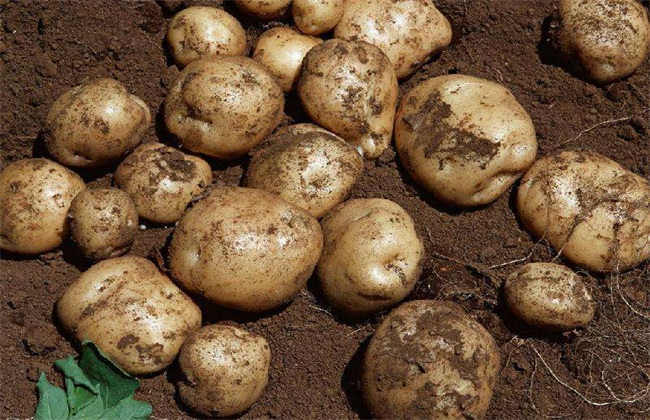
1. Plot selection
Potatoes cannot be grown continuously, so when choosing a plot for potato planting, we must first ensure that the previous three crops in the plot were not potatoes or other Solanaceae crops. If potatoes are grown continuously, various soil-borne diseases are extremely likely to occur, which will have a serious impact on their yield, let alone high yields. The harm to the soil is also very great, leading to the loss of soil nutrients, especially various trace elements. If potato growth lacks trace elements, then not only will the yield be low, but the quality will also become very poor. Therefore, crops such as wheat should be rotated with them.
2. Soil preparation
The main edible part of the potato is the tuber. And the growth of potato tubers requires loose soil with sufficient fertility. So if we want high potato yields, then after choosing the land, we must do a good job of soil preparation. The potato planting plot should choose soil with normal drainage and irrigation, and a thick and soft plow layer. Then after the previous crop is harvested, deeply plow the soil and make beds ready for planting. Control the width of the beds according to the terrain of the plot and the soil moisture content. If the terrain is high and drainage and irrigation are good, then wider beds can be made appropriately; otherwise, narrow beds should be made.
3. Scientific fertilization
Potato growth has a large demand for nutrients, so we must do a good job of fertilization. During soil preparation, it should be applied together with base fertilizer. The base fertilizer should mainly be fully decomposed farmyard manure, combined with an appropriate amount of superphosphate, plant ash, and other fertilizers, and applied in holes below the 10 cm soil layer. Then we should do a good job of topdressing according to the growth of the potatoes. After emergence, apply a sprout and seedling fertilizer once to promote seedling growth. Then at the bud stage, apply a tuber-setting fertilizer once, and control the amount of fertilizer according to the plant growth. After flowering, it is generally not suitable to apply fertilizer again.
4. Thinning and final singling of seedlings
After the potato seedlings have mostly emerged, do a good job of thinning and final singling of seedlings. After the seedlings are fully emerged, remove the weak seedlings and keep the strong ones. During the first thinning, keep about 5 seedlings per hole. Then during the second thinning, reduce it to about 3 seedlings. Before transplanting, spray an appropriate amount of diluted Xin Gaozhi Mo on the seedlings, which can effectively improve the survival rate of seedling transplanting. When the plants grow to about 30 cm, appropriately spray some Diguo Zhuangdiling, once every other week, about 3 times, to provide sufficient nutrients for potato growth.
The above is a brief introduction to how to plant potatoes for high yields. If you want high potato yields, you must do a good job of management, strengthen the prevention and control of pests and diseases, and ensure normal potato growth. That is all for today's introduction. This article is for reference only, and I hope it can be helpful to everyone.