What to do when chive leaves turn yellow? Find the cause and take timely control measures
Chives are a common crop on the market and are grown over a fairly wide area, but during cultivation the phenomenon of chive leaves turning yellow can appear, seriously affecting yield and quality. So what causes chive leaves to turn yellow? What should be done about it? Let's find out together.
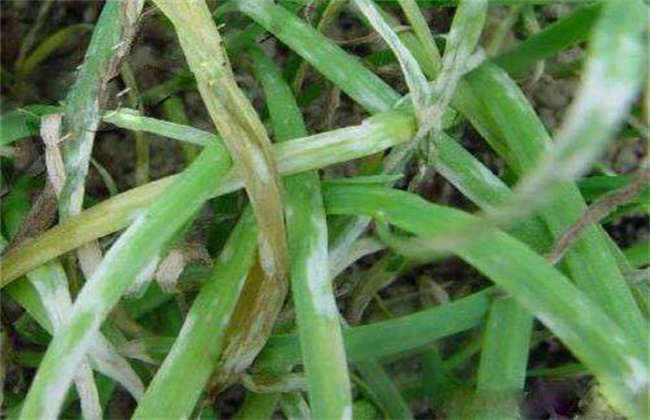
I. Causes of chive leaves turning yellow
1. Soil acidification
Chives prefer neutral soil. If acidic fertilizers such as cake fertilizer, ammonium sulfate and superphosphate are applied over a long period, soil acidification will be caused, leading to slow, slender growth of chives and yellowing of the outer leaves.
2. Damage from harmful gases
Applying a large amount of ammonium bicarbonate before covering the shed, broadcasting urea on the ground after covering the shed, and applying ammonium sulfate on alkaline soil all easily produce ammonia gas during decomposition, causing ammonia damage. In addition, excessive accumulation of nitrous acid can also cause gas poisoning.
3. High temperature and cold damage
When the spraying temperature remains above 35 degrees for a long time and the air is relatively dry, leaf scorch is very likely to occur. Sometimes after consecutive rainy days it suddenly clears up, or when cold air intrudes suddenly during high temperatures, the chives will turn yellow at night or the whole leaf will turn yellow.
4. Imbalance of trace elements
In addition to the three elements nitrogen, phosphorus and potassium, chive growth also requires a variety of trace elements. Once these elements are deficient, the yellow leaf phenomenon will also appear. For example, zinc deficiency causes new leaves to appear, magnesium deficiency causes the outer leaves to yellow and die, and boron deficiency leads to yellowing of the heart leaves.
II. What to do when chive leaves turn yellow
1. Apply more organic fertilizer
Reasonably match nitrogen, phosphorus and potassium fertilizers and supplement trace elements to ensure a uniform and sufficient supply of nutrients to the plants. According to the fertilizer requirements of chives, pay attention to the application of nitrogen, phosphorus, potassium and trace elements during the root-nourishing period. In September to October, or before covering the shed, apply 50-75 kg of potassium sulfate compound fertilizer per mu, together with 10-15 kg of trace elements, and spray foliar fertilizer 2-3 times during the growing period.
2. Water at the right time
While ensuring that the field soil is moist, reduce the number of watering times and the amount of water applied. Generally, the watering interval is shorter for sandy soil and appropriately longer for clay soil. After watering, carry out intertillage and loosening of the soil to dissipate moisture and increase soil permeability.
3. Prevent and control pests and diseases
Use highly effective and low-toxicity insecticides to reduce the damage of chive maggots. In August to September or before covering the shed, irrigate with the pesticide once every 3-5 days. When the chives are 5-10 cm tall, apply the pesticide to the ground. During the peak outbreak of the pests, broadcast trichlorfon powder along the rows, applying 2-2.5 kg per mu. Alternatively, dilute phoxim and chlorpyrifos with water and pour the solution directly at the chive roots, then water, which gives a better effect and effectively reduces the yellow leaf phenomenon caused by pests and diseases.
The above is an introduction to what to do when chive leaves turn yellow. We hope it can help you. To learn more related knowledge, please keep following us.