Key Technical Points for Summer Management of Greenhouse Vegetables
For vegetables grown in greenhouses, the main problems encountered in summer are high temperatures, strong light, drought, and pests and diseases. These are all problems that arise because of summer. Summer is generally a critical period for managing vegetables grown in greenhouses. Therefore, management should be prioritized. The specific management related to these aspects can now be looked at.
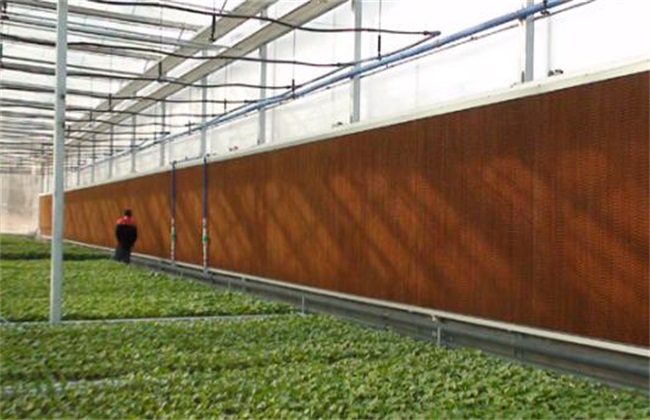
1. Cooling
Generally, once the temperature inside the greenhouse exceeds 33 degrees, it must be cooled promptly, otherwise the vegetables will die from the heat. If it is a simple greenhouse, the best approach is to open the skylights and not open the door curtains, so that the high outside temperature will not affect the interior. If that really does not work, then open the door curtains for ventilation. Ventilate from the front and back, and roughly use shade nets. Or something like straw curtains to block the sun, and the temperature will drop somewhat.
2. Shading
Summer sunlight is too strong and completely exceeds the needs of the vegetables. Prolonged strong light easily causes rapid evaporation of water from the vegetables and raises ground temperature. With heat steaming above and baking below, the vegetables easily lose water, wilt, and finally dry up and die. The ground also easily becomes dry, which at the same time affects the temperature. It is best to quickly hang shade nets. If one layer is not enough, two layers are fine. Shade nets can directly reduce the light and temperature inside the greenhouse.
3. Moisture Retention
High temperatures and strong light cause soil moisture loss, making it very dry. If drought has already occurred, then at night, after the temperature drops and there is no sunlight, drip irrigate for the whole night. At the same time, ventilation should still continue. Avoid air humidity being too high. Ventilate to cool down, and watering will not damage the root system.
4. Pest and Disease Control
High temperatures and drought make aphid-type pests more likely to occur. If it rains and humidity is high and cannot drain away smoothly, then some rotting, mold-like diseases will develop. These types of diseases are all prone to re-infection, repeated infection, and widespread outbreaks. Greenhouse space is limited, and once disease occurs, it spreads very quickly. Therefore, before entering summer, first spray the soil with chemicals to disinfect it, and spray some protective agents on the vegetables for prevention.
The effects brought by some characteristics of summer make it relatively difficult for greenhouse vegetables to get through summer. But efforts should still be made to adjust and restore a suitable growing environment. This can help vegetables safely pass the summer, maintain growth, and avoid losses.