Correct Methods and Precautions for Weeding Soybeans
Soybean is a widely planted crop in our country, and weeds often appear in soybean fields, competing with soybean plants for water and nutrients, which is detrimental to yield and quality. Therefore, weeding work must be done well, but precautions must also be taken during weeding to avoid herbicide damage to soybeans. So what precautions should be taken for soybean weeding? Let's find out together.
I. Soybean Weeding Methods
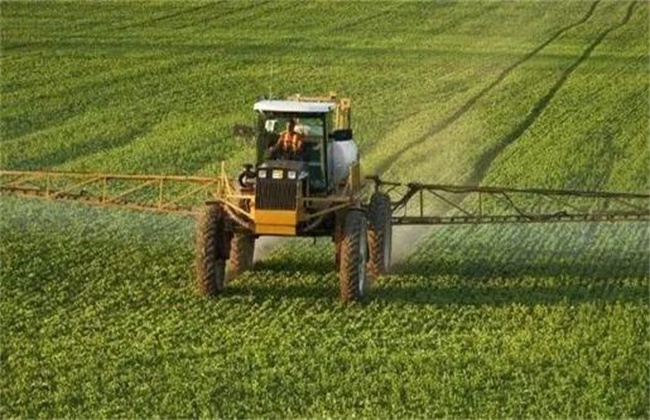
Perennial weeds such as thistle (Cirsium), sowthistle (Sonchus), and reed (Phragmites) are common weeds in soybean fields. They have the characteristics of strong rhizome reproduction ability, deep root systems, and strong herbicide resistance. Therefore, if chemical agents are used for weeding, the dosage must be increased, but this can also easily cause herbicide damage and affect yield. So for this situation, the method of smearing glyphosate solution can be used to control these perennial malignant weeds, with good results. Weeding can also be done before emergence, by carrying out a closed treatment after soybean sowing and before the seedlings push through the soil, to clear weeds.
II. Weeding Precautions
1. Strict standards, scientific mixing of pesticide solutions
When preparing pesticides, first add the pesticide into the container according to the standard, then dilute the powder pesticide with a small amount of clean water to make a mother solution and add it to the container, add a measured amount of clean water. Do not fill the container with water first and then add the pesticide solution, to prevent uneven spraying and poor efficacy due to insufficient dissolution and mixing of water and pesticide.
2. Adapt to local conditions, select pesticides accurately
For herbicides, pre-emergence herbicides should be selected. Clomazone has a short residual period and is safe for the following crop, making it a relatively good agent. For chemical weeding after soybean sowing and before emergence, do not choose lactofen, quizalofop-p-ethyl, 2,4-D, etc.
3. Spray at the right time
Soybeans should not be sprayed immediately after sowing, to prevent drought and other weather from affecting efficacy, but it should not be too late either. The correct approach is: in plots with good soil moisture, spray 3-4 days after sowing; in plots with poor soil moisture, finish spraying 4-5 days before emergence. Therefore, before weeding at the seedling stage, be sure to ensure sufficient water, ensuring 30-35 kg of water applied per mu. At the same time, depending on soil moisture and climatic conditions, an additional spray of clean water may be applied at any time, 20-30 kg per mu, to improve efficacy.
The above is an introduction to soybean weeding methods and precautions. We hope it helps you. To learn more related knowledge, please stay tuned to us.