Detailed Explanation of the Planting Time and Methods for Chinese Mallow
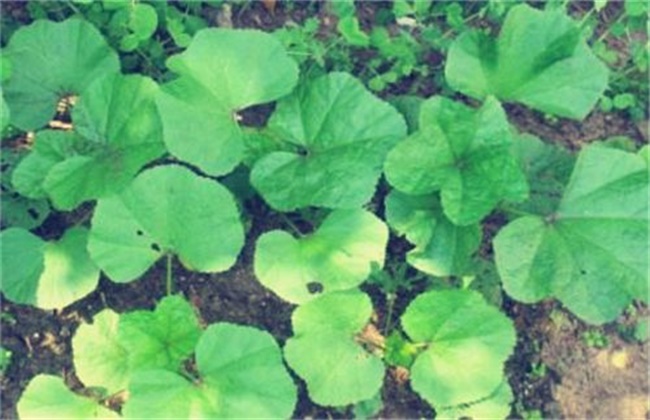
Chinese mallow, also known as winter amaranth, mallow, etc., is an annual herbaceous plant whose tender stems and leaves are eaten. It is cultivated relatively little in our country, though it is also grown in the north, and it has certain medicinal value. So do you know how it is planted? Let's find out together.
1. Land preparation and fertilization
Chinese mallow is eaten for its tender stems and leaves, so it must be harvested multiple times a year. Therefore, choose flat, loose and fertile plots for planting, generally made into flat beds, with sufficient base fertilizer applied, mainly organic fertilizer, with a bed width of about 1.3 m to facilitate harvesting. Chinese mallow has strong tolerance to fertilizer and also has a relatively large fertilizer requirement. After sowing, human and livestock manure can be poured as seed fertilizer.
2. Sowing and seedling raising
Both direct sowing and seedling transplanting are possible. Generally, 1-1.5 kg of seed is used per mu. The sowing method can be broadcasting or hole sowing, among which broadcasting uses a larger amount of seed, while hole sowing uses less. For hole sowing, control the plant and row spacing at about 25 cm, sow 4-5 seeds per hole, generally using about 250 per mu; broadcasting requires 0.5 kg of seed, and raising seedlings requires 25 g of seed per mu. After sowing, cover with a layer of shallow soil, regulate temperature and moisture well, and after emergence, thin and set the seedlings in good time. Once the seedlings have grown to a certain extent, they can be planted out.
3. Planting out
The planting density depends on the harvesting requirements. Different harvesting requirements call for different planting densities. For the purpose of harvesting young seedlings, appropriate close planting may be used, preferably 15 cm square; for harvesting tender shoots multiple times, 25 cm square is preferable.
4. Field management
During the growth period of Chinese mallow, timely cultivating and weeding should be carried out to prevent weeds from competing with Chinese mallow for growing space, nutrients and water. For those harvested multiple times for tender shoots, during the peak growing season, fertilizer should be applied promptly after each harvest to supplement the large amount of nutrients lost due to harvesting; the topdressing is generally mainly urea. The main pests of Chinese mallow include cutworms, tobacco cutworms and aphids, which can be controlled with poisoned bait or trichlorfon spray; the main diseases include anthracnose and root rot. Anthracnose can be controlled with chlorothalonil, and root rot can be controlled with carbendazim.
The above is an introduction to the planting time and methods of Chinese mallow. We hope it helps you. To learn more related knowledge, please follow us.