Detailed Guide to Sweet Sorghum Cultivation Techniques and Key Points of Cultivation Management
Sugar sorghum, commonly known as sweet stalk, is an edible plant with a sweet taste and plenty of juice. Many rural friends probably ate it often as children; it is somewhat similar to sugarcane. So do you know how it is cultivated? Come and learn about it with us.
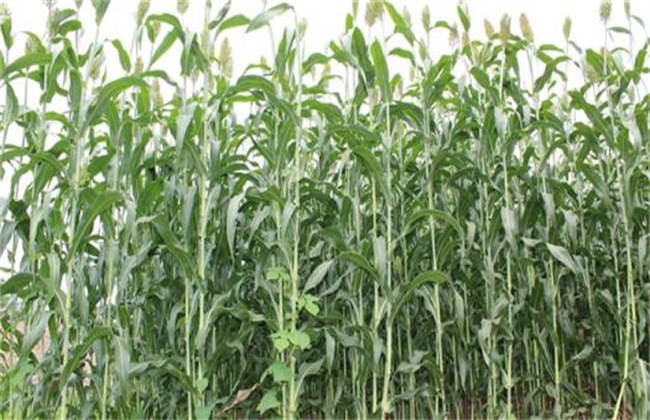
1. Sowing and Seedling Raising
Sweet sorghum prefers warmth and has characteristics such as drought resistance, waterlogging tolerance and salt-alkali tolerance. It can be grown in most parts of the world, has no strict requirements for the growing environment and is extremely adaptable to soil. Therefore, there is no need to choose any particular plot for planting. Before sowing, soak the seeds in clean water for one day, then remove and air-dry them, which can increase the seed germination rate. Its germination rate is relatively low. Generally, the sowing rate is about 1.5 kg per mu. The root stem is relatively short and its ability to push through the soil is weak, so a sowing depth of 2-3 cm is suitable. Thin the seedlings at the 2-3 leaf stage, and finalize the seedlings at the 4-6 leaf stage. When finalizing the seedlings, remove tillers to promote strong single plants. In addition, its tillering ability is strong. If the tillers are not removed early, the main stem and tillers will grow together and consume too many nutrients, which will not only prolong the growth period of the main stem, but also cause adverse consequences such as the main stem being thin and soft and late maturity. Therefore, the tillers should be removed in time.
2. Intertillage and Earthing Up
Carry out the first intertillage when the seedlings are at the 2-3 leaf stage, which can help eliminate weeds, prevent drought and preserve soil moisture; carry out the second intertillage at the -6 leaf stage together with finalizing the seedlings, with a depth of about 10 cm; the third intertillage is carried out 10-15 days after the second intertillage when water is introduced. When the plants grow to about 70 cm, earthing up for row closure can be carried out, banking the soil between the rows at the base of the sweet sorghum to promote the growth of prop roots.
3. Fertilizer and Water Management
Apply sufficient base fertilizer before planting. During the growing period, apply appropriate topdressing according to growth conditions to help sugar accumulation. In the middle and late stages of sweet sorghum growth, do not apply excessive nitrogen fertilizer, so as to avoid the plants remaining green and maturing late, which affects sugar accumulation. During the jointing stage of the plants, carry out topdressing together with the third intertillage, applying 10-15 kg of urea per mu. When fertilizing, do not apply the fertilizer on the soil surface. The water requirement of sweet sorghum throughout its life is low at both ends and high in the middle. Generally, watering is needed 3-4 times during the entire growth period. The first time is at the jointing stage, together with topdressing; the second time is half a month after the first watering, during the heading and flowering stage; the third time is generally during the grain-filling stage. In the later stage, pay attention to low temperatures in time and watch for weather changes to avoid lodging.
4. Pest Control
Sweet sorghum has strong disease resistance, and generally no diseases occur during cultivation, but its insect resistance is weak. In addition, because of its relatively high sugar content, it is extremely susceptible to damage by stem borers and aphids, so early control is required. Aphids can be controlled by spraying deltamethrin, but attention should be paid to the concentration of the pesticide to avoid phytotoxicity. For stem borers, several granules of carbofuran can be scattered in the heart leaves for control.
The above is an introduction to sweet sorghum cultivation techniques. We hope it can help you. To learn more related knowledge, please keep following us.