Complete Guide to Corn Planting Time and Methods
Corn is grown across a very wide range, and the planting time in each region varies with the local climate and environment, but the overall timing does not differ much. Of course, the planting methods are actually much the same. That said, the specifics still need further analysis and understanding. Let's look at the specific planting times and methods, and what differences there might be.
1. Planting Time
Most planting is done in spring and summer, but some varieties can also be sown in summer. Spring sowing is roughly from April to May; some warm regions can sow in March, while some cold regions cannot sow until the end of May, and protected cultivation in early spring can start sowing at the end of February. Summer corn is sown roughly from June to July, and sowing can generally begin right after the previous crop is harvested. In colder regions, summer sowing is not possible, while warm regions can sow and harvest autumn corn.
2. Seedling Stage
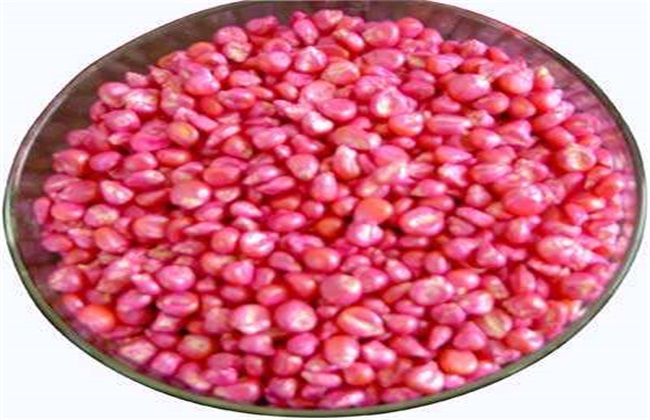
Corn is generally sown directly, with the seeds coated in pesticide before sowing to prevent the seeds from being eaten by insects. After the seedlings emerge, moisture must be maintained; once the seedlings come up, they are easily bitten through at the base by cutworms, so before emergence, carbofuran granules should be placed beside the seeds to repel the insects. After the seedlings grow taller, cutworm larvae will chew the leaves, or the Asian corn borer will feed and cause damage. When they reach about 30 cm, topdressing should be applied once with urea; urea is highly concentrated, so apply it away from the roots and cover with soil. Pay attention to irrigation.
3. Growth Stage
The plant grows rapidly, the stalk quickly joints and elongates, and it needs large amounts of nutrients, so weeding is needed along with topdressing, applying compound fertilizer; to prevent lodging, soil should also be hilled up to strengthen the root system. Natural rainwater is enough for irrigation; in drought, water promptly to avoid water loss in the new leaves. Too strong sunlight easily scorches the leaves. If the leaves grow too densely, leaves should be removed to suppress vegetative growth, removing crossing leaves and dense leaves.
4. Fruiting Stage
Pollination occurs during flowering, but artificial pollination is generally not used; it is mostly natural pollination, mainly wind pollination, so when planting, pay attention to what varieties others are growing to avoid cross-pollination and the growth of multicolored corn. Topdressing can be applied at the booting stage or not; ammonium bicarbonate is generally used. After the ear develops, it takes about 20 days to reach maturity, which is very quick. So pay attention to timely harvesting; once the kernels harden and the upper leaves wither, it can be harvested.
As for corn, in the central regions the planting time is generally spring planting, with one harvest a year and 2 to 3 topdressings; farmyard manure is inconvenient to transport, and chemical fertilizer is also well tolerated. Planting must be adjusted according to the entire growth period.