Detailed Explanation of Key Techniques for Summer-Sown Chinese Cabbage Cultivation
Chinese cabbage is a very common leafy vegetable in our daily lives, grown basically everywhere. Chinese cabbage can be planted in most seasons, and after summer arrives, many people are also planting it. However, because summer temperatures are relatively high, the cultivation methods differ somewhat, so how should summer-sown Chinese cabbage be grown? Below, the editor brings you the cultivation techniques for summer-sown Chinese cabbage. Let's take a look!
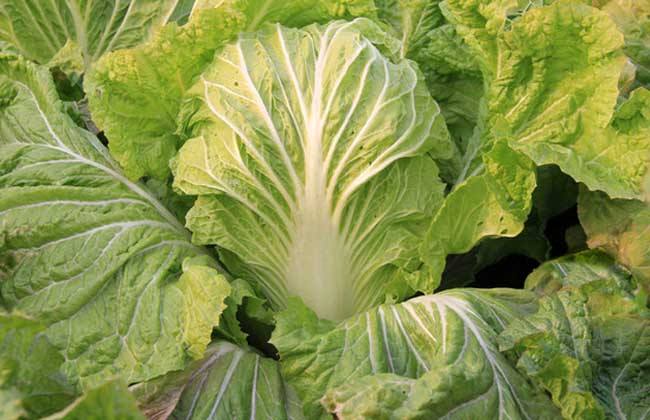
1. Seed and Site Selection
For summer planting of Chinese cabbage, choose varieties with strong high-temperature tolerance, strong head-forming ability and good disease resistance, and most importantly, the ability to withstand high temperatures. After choosing the variety, we need to do a good job of selecting the soil. To avoid the harm of pests and diseases, the planting field should be chosen in a place with high terrain and normal drainage and irrigation. And because the growth cycle of Chinese cabbage is relatively short, we also need to apply sufficient base fertilizer. The cultivation method is mainly ridge cultivation, which not only improves drainage and irrigation but also enhances permeability.
2. Timely Sowing
The sowing time for Chinese cabbage in summer is generally around June each year. When planting, pay attention to controlling the planting density, generally about 3,200 plants per mu. To improve the full-stand rate, before sowing strong seedlings, do a good job of ridging and ditching, or carry out hole sowing according to the planting density. If the soil moisture is poor, appropriate water should be dotted into the furrows or holes, then sow, cover with soil and water. Seedlings emerge after about 4 days, and after emergence the soil should also be kept moist, with thinning and final thinning done well: start thinning when two true leaves appear, and finalize the stand at about 5 true leaves.
3. Water and Fertilizer Management
Water and fertilizer are very important for the growth of Chinese cabbage. After Chinese cabbage enters the early head-forming stage, topdressing should begin. Even if sufficient base fertilizer was applied, about 50 jin of urea should be topdressed per mu, then the ridges should be built up and watering started. Usually one topdressing is enough. After final thinning, pay attention to keeping the soil moist, and after entering the head-forming stage, appropriately increase the watering amount. Usually water once about every 4 days, and stop watering 5 days before harvest. If the rainy season occurs or too much water is applied, then drainage work should also be done well.
4. Pest and Disease Control
Then we should do a good job of pest and disease control. Common pests and diseases of Chinese cabbage in summer include soft rot, tipburn, aphids and so on. We should focus on controlling these pests and diseases and strengthen prevention. In the early head-forming stage of Chinese cabbage, do a good job of spraying for disinfection. The main spraying agent is Xinzhiromycin, and the spraying position should be the leaf stalks and roots, about once a week. If diseased plants are found, then they should be pulled out in time. This avoids the spread of the disease and expands the affected area.
The above is a brief introduction to summer-sown Chinese cabbage cultivation techniques. For summer-sown Chinese cabbage, be sure to pay attention to issues such as temperature to ensure healthy growth of the Chinese cabbage. That's all for today's introduction. This article is for reference only, and we hope it can help everyone!