What are the methods to prevent heat damage to corn
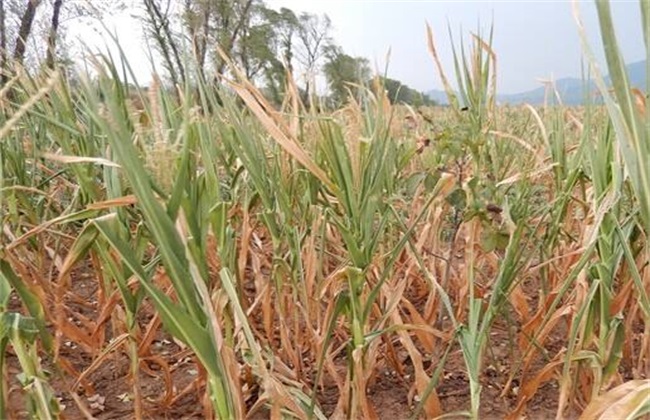
Corn is one of the more important food crops in China, and it is also grown on a very large area in the country. When growing corn, we need to adjust management appropriately as the seasons change. Especially in summer, if management is improper, corn is highly prone to heat damage, which can seriously affect both the quality and yield of the corn. So how do we prevent heat damage to corn? Let's take a look together below!
1. Artificial pollination
After entering summer, due to the high temperatures, the pollen shedding, pollination, and fertilization and seed-setting ability of corn all decline as a result. Therefore, during the pollen shedding and flowering stage of corn, if the weather exceeds 35 degrees, then we must be sure to do a good job of artificial supplementary pollination to avoid the effects of high temperatures, reduce the decline in corn's pollination and fertilization ability, and improve the seed-setting rate of corn. When carrying out artificial pollination, we should usually collect pollen at around 9 in the morning. Then do a good job of pollination, mainly collecting and pollinating at the same time, which can effectively increase corn yield.
2. Reduce planting density
When planting corn in summer, be sure to control the planting density well. Generally, wide-and-narrow row planting is the main method, because when the planting density is low, the competition for nutrients and water among individual corn plants can be effectively reduced. This can enhance the heat tolerance of corn plants and reduce the occurrence of heat damage. If planting at high density, then pay attention to using wide-and-narrow row planting to improve field ventilation and light penetration and lower the field temperature. With the goal of growing robust plants, strengthen the growth capacity of corn plants and ensure yield and quality.
3. Reasonable fertilization
Fertilization work in summer is also very important. We should appropriately increase the amount of farmyard manure used, focusing mainly on base fertilizer, to promote early plant development. Then we should also pay attention to the use of trace elements. After corn seedlings emerge, apply seedling fertilizer appropriately and early to promote strong stalks. When corn reaches the large trumpet stage, the topdressing should be mainly ear fertilizer. Then it should be combined with irrigation to improve the nutritional condition of the plants. Finally, in summer, foliar fertilizer should also be appropriately applied, which can both lower temperature and humidity and meet the nutrients needed for corn growth.
4. Water at the appropriate time
Under the high-temperature environment of summer, conditions are generally accompanied by drought. Therefore, after entering summer, pay attention to watering appropriately, which is the simplest way to cool things down. And after watering, corn can also absorb water and enhance transpiration, which can effectively lower the canopy temperature. This reduces heat damage as well as the respiratory consumption caused by high temperatures. However, watering should not be excessive, and light watering should be the main approach. Do not water too much, otherwise waterlogging is likely to occur. It is best to use sprinkler irrigation, spraying water directly onto the leaves, which can effectively achieve a cooling effect.
The above is a brief introduction to how to prevent heat damage to corn. The heat damage to corn has a very large impact on its yield and quality, so everyone must pay close attention. That is all for today's introduction. This article is for reference only, and I hope it can help everyone!