Detailed Explanation of Key Technical Points for Controlling Tomato Gray Leaf Spot
Tomato gray leaf spot occurs frequently in tomato production. It damages the photosynthesis of the leaves, reduces tomato yield, and brings huge losses to farmers. So how should tomato gray leaf spot be controlled? Let's take a look together.
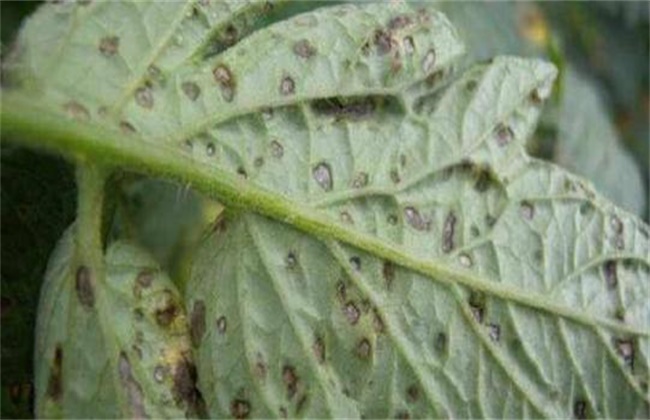
1. Disease Symptoms
Tomato gray leaf spot only harms the leaves. In the early stage of the disease, the leaves are covered with small dark green round or irregularly round spots, which later spread outward along the leaf veins, becoming irregular in shape, with the center turning chlorotic from grayish white to grayish brown. The lesions are slightly sunken, mostly rather small, extremely thin, and in the later stage are very prone to rupturing and perforation, causing the leaves to break apart or even fall off.
2. Causes of the Disease
The pathogen of tomato gray leaf spot can overwinter in diseased residues in the soil and on seeds. When the temperature and humidity in the following year reach the level needed for spore growth and reproduction, it will carry out an initial infection of the tomato plants. Afterward, the spores spread via wind and rain, causing secondary infection. Continuous long periods of warm, humid weather and rainy days are the peak period for the disease. In addition, insufficient soil fertility can also lead to weakened plants, which likewise gives the pathogen an opportunity, thus causing the plants to develop the disease.
3. Control Techniques
According to the occurrence characteristics of tomato gray leaf spot, targeted control measures should be adopted. First, seed disinfection treatment should be done well during seedling raising. Before sowing, soak the seeds in warm water at 55 degrees for half an hour while stirring continuously, then remove them and dry them for later use, or soak them in a low-concentration potassium permanganate solution for half an hour, then remove and wash them before sprouting and sowing. During production, it is advisable to choose varieties with resistance to both tomato gray leaf spot and viral diseases, to reduce the chance of disease occurrence in the field. Cultivation management should be strengthened, and temperature and humidity management should be intensified, with appropriate control of watering and dehumidification, to create an environment unsuitable for pathogen growth. When the disease occurs, it should be controlled promptly. Strobilurin fungicides and sterol biosynthesis inhibitor fungicides have strong control effects on tomato gray leaf spot.
The above is an introduction to tomato gray leaf spot control techniques. We hope it can help you. To learn more related knowledge, please stay tuned to us.