What to Do About Adzuki Bean Flower and Pod Drop? Detailed Prevention and Control Measures
During the cultivation of adzuki beans, flower and pod drop often occurs, which has a decisive impact on achieving a high yield of adzuki beans. However, flower and pod drop can be prevented. Below, the editor brings you prevention and control techniques for adzuki bean flower and pod drop. Let's take a look together.
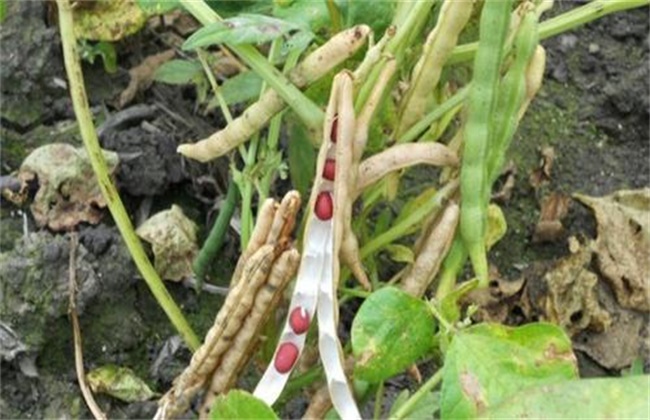
1. Topdressing According to Soil Conditions
Adzuki bean flower and pod drop may be caused by insufficient nutrients during the flowering and pod-setting period, which prevents the plants from closing the rows. Therefore, a single topdressing can be applied at the early flowering stage of adzuki beans to supplement nutrients and reduce flower and pod drop. Generally, 5 kg of urea or 10 kg of ammonium sulfate is applied per mu. When fertilizing, attention should be paid to the method; it should not come into direct contact with the root system to avoid burning the roots.
2. Foliar Fertilization
In addition to normal root fertilization, foliar fertilization can also be used. During the flowering and podding stage, generally 0.5 kg of urea, 1.5 kg of superphosphate, 0.25 kg of potassium sulfate, and 25 g of borax are mixed per mu and then diluted with 50 kg of water. After extracting the leachate, spray it on the leaves with a sprayer. Foliar fertilizer spraying should preferably be done on cloudy days or after 4 p.m. on sunny days, which helps retain flowers, increase pods and grains, reduce shriveled grains, and increase single-grain weight. Foliar fertilization can be combined with pest and disease control to improve labor efficiency.
3. Chemical Regulation
Soybeans can use paclobutrazol to strengthen plants, increase branching, shape an ideal plant type, and increase yield. Adzuki beans can also use paclobutrazol for chemical regulation to reduce flower and pod drop. Generally, at the early flowering stage, 20 g of 15% paclobutrazol is diluted with 50 kg of water and sprayed. This can improve the soybean plant type, extend the functional period of leaves, improve field ventilation and light transmission conditions, and optimize the soybean growing environment, thereby promoting growth and reducing drop.
4. Pay Attention to Drought Prevention and Drainage
From before flowering to the podding stage, adzuki beans are in the period of the entire growth cycle when water is absorbed fastest and in the greatest amount. At this time, if soil moisture is too low, it will affect bean grain expansion, so timely irrigation is needed. Generally, irrigate once every 5-7 days, for 2-3 consecutive irrigations. Remember not to use flood irrigation. Adzuki beans are a crop with relatively poor waterlogging tolerance, and standing water can easily cause flower and pod drop, so attention should be paid to drainage to avoid waterlogging damage.
The above is an introduction to prevention and control measures for adzuki bean flower and pod drop. We hope it can help you. To learn more related knowledge, please stay tuned to us.