Key Points of Okra Seedling Cultivation Techniques and Detailed Management Methods
Okra is a warmth-loving plant native to India, mainly eaten as a vegetable and mainly grown in southern China. It is not a common vegetable and has relatively good economic returns. Okra is grown mainly by direct sowing and by raising seedlings for transplanting. Either way, it actually has to go through a seedling cultivation stage, so raising seedlings is a necessary process. Let us take a look at the specific work of raising seedlings.
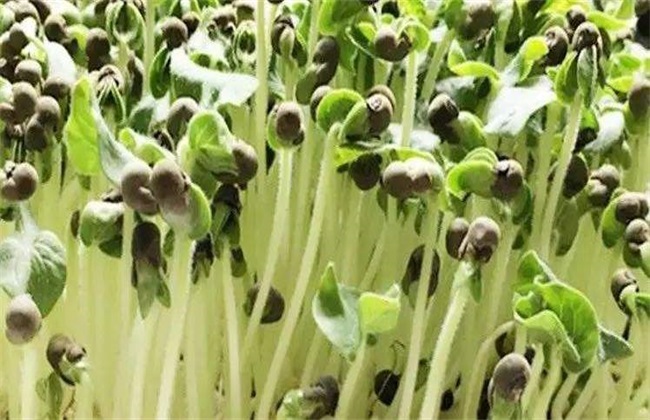
I. Direct Sowing for Seedlings
1. Sowing Time
Direct sowing is relatively common, generally done in spring. Spring germination vigor is relatively strong, but sowing must reach a certain temperature; sowing is not possible when there is frost damage. Around March, when the temperature rises back to 15°C, sowing can be done, but in a greenhouse sowing can be done one month earlier.
2. Seed Treatment and Sowing
After the seeds have been soaked and have absorbed water and swollen, they can be sown. This is to meet the water requirement for germination. Carbendazim can also be used to soak the seeds, which can eliminate pathogens and reduce disease during the seedling stage. The sowing row spacing is 10 cm. Cover with soil 1 to 2 cm, sowing in drills and holes. Generally, water first and then sow, to avoid the seeds being washed away.
3. Cultivation
Before the seeds break through, water more and always keep them moist to promote germination. After germination, scatter plant ash on the soil surface, which can absorb moisture and reduce disease, while also maintaining humidity. Once true leaves grow, reduce the amount of watering to once every three to five days. When more than 4 true leaves have grown, some diluted fertilizer water can be used to promote root growth. Pay attention to seedling-stage diseases; the common one is fusarium wilt, and there are also damage from aphids and cutworms.
II. Raising Seedlings for Transplanting
1. Easy Seedling Raising
Use seedling trays of the same specification, sow one seed per cell, use river sand and peat as the growing medium, just cover the seeds, and place them in a moist shallow-water environment, so no watering is needed. They sprout relatively quickly; place them in a greenhouse to keep warm. Seedlings can be raised ahead of time; after sprouting, a nutrient solution can be prepared and watered on, and growth will speed up.
2. Maintenance
Replace the shallow water layer used for maintenance. Nutrient solution can be added, and after circulating treatment it can continue to be used. Regularly replenish the nutrient solution and water. If yellow leaves appear, it may be due to causes such as too much water, too weak ambient light, too high a temperature, or insufficient nutrients. Growth must be adjusted at any time.
Okra seedling raising is mainly about ensuring the germination rate, fast growth, and no damage from disease. Do not let it lack fertilizer. The most critical point is to pay attention to the timing of sowing and seedling raising, and decide based on adjustment to the environment.