How to manage rice during the grain-filling stage? Key points explained in one article
Rice is one of the major food crops, with an extremely large planting area. To achieve high yields in rice cultivation, every stage must be taken seriously, especially the grain-filling stage in the late growth period, when management is extremely important. So how should rice be managed during the grain-filling stage? Let's find out together.
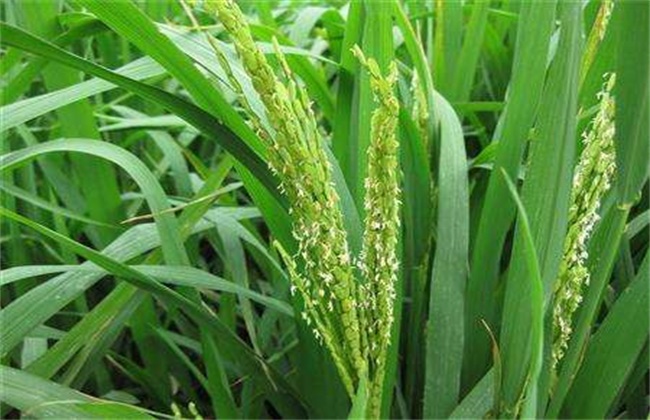
1. Moist irrigation
The heading and flowering stage is when rice is extremely sensitive to water, and the field cannot lack water. The grain-filling stage is when rice has a high water demand, but deep water should not be kept for a long time, as this accelerates the aging of leaves and roots. Shallow water irrigation should be adopted, using an irrigation method of alternating dry and wet with wet as the main approach, to achieve coordination of water and air in the field, maintain the vitality of roots and leaves, improve the grain-filling rate, and increase single-grain weight. Generally, water is cut off one week before harvest to facilitate harvesting.
2. Spraying foliar fertilizer
The purpose of spraying foliar fertilizer is to plump the grains, that is, to improve the maturity and plumpness of the grains. From a quality perspective, it is not advisable to apply growth nitrogen fertilizers such as urea, but rather to advocate spraying nitrogen-free foliar fertilizer or rice-specific foliar fertilizer at the full heading stage. This can extend the vitality of rice roots, keep stems mature, prevent lodging, improve quality, increase yield and milled rice rate, and play a very important role.
3. Pest and disease control
The grain-filling stage of rice is also the peak period for sheath blight, rice blast, and the striped stem borer, so early prevention is necessary. However, when carrying out chemical control, care should be taken to avoid spraying during the heading and flowering stage of rice. At the same time, note that azole fungicides should not be used excessively during the heading stage of rice, especially when excessive application occurs under low-temperature and rainy conditions when rice growth is inhibited, as it may affect rice heading and grain-filling. When applying chemicals, the dosage must be strictly controlled, and blind application is not advisable.
4. Preventing lodging
One of the main causes of lodging in production is improper fertilization, caused by excessive nitrogen fertilizer. Applying too much nitrogen fertilizer in the early stage leads to excessively vigorous growth, while nutrient deficiency in the later stage causes premature aging, withered stems and leaves, improper irrigation, and pest and disease damage, all of which can lead to lodging. To fundamentally address lodging, excellent varieties should be selected, scientific fertilization should be carried out, and reasonable close planting according to varietal characteristics, frequent shallow-water irrigation, and timely field drying should be used to comprehensively improve all aspects of cultivation management.
The above is an introduction to the key management points for rice during the grain-filling stage. We hope it can help you. To learn more related knowledge, please stay tuned to us.