Detailed explanation of high-yield cultivation techniques for Bletilla striata: master the key points for higher yields
Bletilla striata is the rhizome of an orchid family plant and an important medicinal plant that can treat many diseases in traditional Chinese medicine. Therefore, artificial cultivation is widespread, and much cultivation experience has been accumulated over the course of many growing processes. What follows mainly introduces the process of growing Bletilla striata, the details to pay attention to, and the specific techniques of cultivation management.
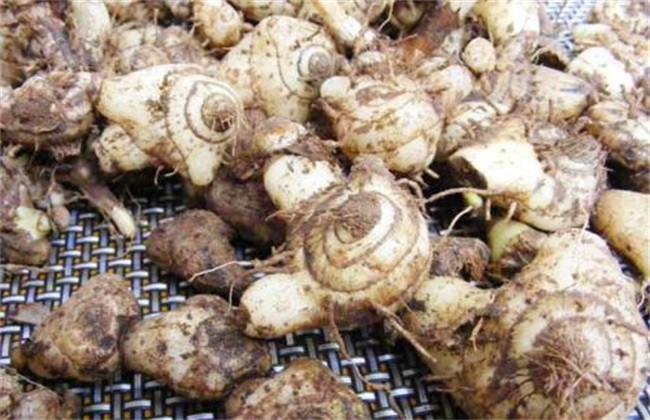
1. Planting land
The wild environment of Bletilla striata is among mountain forests, so it is generally a relatively shady environment without exposure to strong light. The soil under the forest is not exposed to sunlight, and the root system retains moisture, so it is fairly moisture-tolerant and needs a humid environment to grow. Leaves fall year after year, accumulate and rot, forming rare humus soil that is rich in nutrients, so fertile land is needed. However, it must not be waterlogged or lack light.
2. Preparing facilities
For field planting, it is generally planted on flat land without a natural forest, so some shade facilities need to be set up to create a diffused-light environment. Drip irrigation or seepage irrigation facilities should be installed in the planting area, mainly for future irrigation and moisture retention in the planting area. This ensures good growth.
3. Planting method
It is mainly grown from the previously selected seed corms. Before planting, clean them thoroughly, then soak the roots in rooting powder; do not soak the corms. Then dig furrows and plant, setting them out directly in rows. After planting, cover the roots with soil and spread them out; cover the corms with only a shallow layer of soil, leaving half of them above the soil surface. After planting, some decomposed sawdust can be spread on top to retain moisture. Then just water.
4. Temperature and moisture
Maintain a cool ambient temperature, neither hot nor cold; keeping it at about 18 to 20 degrees is best. It can still grow at no more than 25 degrees, but exceeding that will have some effect. It is mainly suitable for cultivation in temperate zones. A moist soil environment is required, but not waterlogged; generally keeping soil moisture at 60% is enough, ensuring the surface soil is moist.
5. Pest and disease control
The main disease is leaf spot and gray mold, which mainly harm the leaves after onset. For control, remove diseased leaves at the early stage of onset and then spray chemicals promptly. For mild cases, a 500-fold solution of 50% carbendazim can be used as a spray; for severe cases, a 500-fold solution of 65% zineb powder can be sprayed. The main pest is white grubs, which mainly bite and feed on the rhizomes; they can be caught by hand or trapped. A 90% trichlorfon solution can be used to drench the roots.
The main thing in cultivating Bletilla striata is to do a good job of planting and cultivation management; the main tasks are to create a suitable growing environment, then maintain that growing environment well, and ensure that Bletilla striata grows well.