The best time and method for fertilizing summer vegetables
Summer is a period of vigorous growth for vegetables, and many kinds of vegetables grow in summer. Summer temperatures are also very high, and after fertilizing, the absorption by vegetables differs from other seasons. Summer has a lot of rain and strong sunlight, and these environmental factors all affect the timing of vegetable fertilizing. The specific aspects should also be adjusted according to these conditions, so fertilizing needs to be differentiated. Let's learn about the detailed content.
1. Fertilize by category
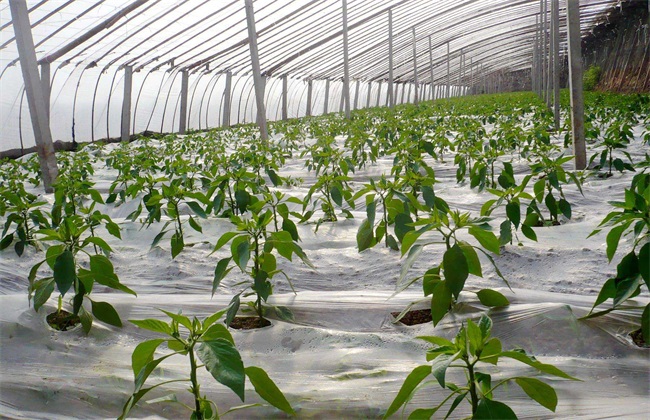
Common summer vegetables mainly include the following. Legumes themselves have root nodules that can fix nitrogen, but other fertilizers need to be supplemented. Legumes need supplemental calcium fertilizer and phosphorus fertilizer, and root and stem growth also needs potassium fertilizer. Leafy vegetables need sufficient nitrogen fertilizer to ensure leaf tenderness and emerald green leaf color, should be given less potassium fertilizer, and should be given more phosphorus fertilizer. Root vegetables mainly grow roots and stems, so they need a large amount of potassium fertilizer, used together with phosphorus fertilizer. Summer is exactly when roots and stems grow, so nitrogen fertilizer should be applied sparingly. The root systems of solanaceous fruit vegetables are stronger than those of other vegetables. Summer is their main fruiting period for fertilizing, so more phosphorus and potassium fertilizer should be applied, and trace element fertilizer should also be increased.
2. Temperature effects
Early summer, when temperatures are low and warm, is a suitable time for fertilizing. The soil temperature is not so high then. In midsummer, as temperatures rise, fertilizing is best done by dissolving the fertilizer in water and applying it together with irrigation, preferably after the afternoon, without using chemical fertilizers, and the amount used should be small and applied in split doses. During the dog days, do not fertilize sparingly; it is best not to fertilize at all.
3. Weather effects
On sunny days with strong sunlight, do not fertilize. Fertilize on cloudy days, or after the afternoon. Drizzly weather is very suitable for fertilizing, but summer often has heavy rain, so do not fertilize before heavy rain arrives. After the rain, once the soil gradually dries somewhat, you can fertilize. If there is continuous light rain, do not fertilize, because the fertilizer will be washed away and the roots cannot absorb it. Or the roots absorb too much water, making the fertilizer useless.
4. Fertilizers used
Generally, farmyard manure is used: livestock manure, manure composted from straw, fertilizer made by composting vegetable leaves, and a small amount of chemical fertilizer. Do not use poultry manure, as it is highly heating and damages the roots. Use fertilizers that have been fully decomposed and treated so their heating nature is low, as these are more suitable. The fertilization concentration should not exceed the concentration of the soil solution, otherwise the fertilizer cannot be absorbed.
5. Fertilization period
Solanaceous fruit vegetables are in their fruiting period in summer, mainly fertilized to promote fruiting and ensure plant nutrition. Legumes are mainly in the pod-setting period, and nutrition needs to be ensured to avoid the plants turning yellow. Leafy vegetables are in the period of vigorous leaf growth, so ensure fertilizer keeps up with growth. Root vegetables should not be fertilized too vigorously, as the roots are prone to splitting.
Summer fertilizing of vegetables mainly depends on the vegetable category and environmental influences to determine the specific fertilization amount and what fertilizer to apply. Also pay attention to the fertilization period and fertilize appropriately.