Key Points and Detailed Methods of Autumn Radish Cultivation Techniques
Radish is a very common vegetable in winter, has great health benefits, and is welcomed by many people. Moreover, radish has a very long medicinal history, and radish has various effects such as eliminating food stagnation, strengthening the stomach, and stopping diarrhea. As time slowly goes by, the planting season for autumn radish is gradually approaching. So today, the editor will briefly introduce the cultivation techniques of autumn radish for everyone. Let's take a look below!
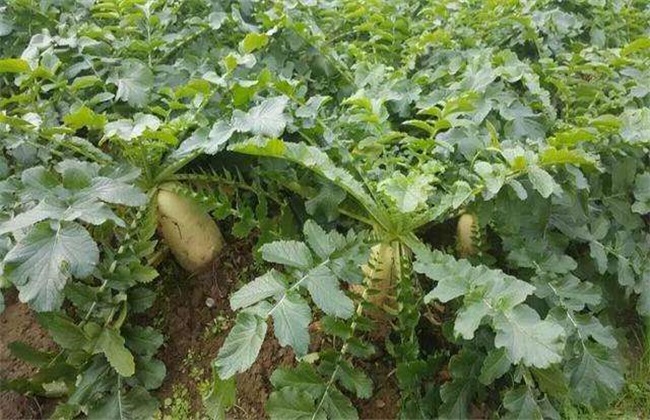
1. Sowing environment
First, we need to choose suitable varieties, such as Loutouqing and others. Because radish has relatively poor cold tolerance, it likes to grow in a cool environment. The minimum temperature required for seed germination is 3°C, and the most suitable temperature for germination is around 22°C. When planting, be sure to control the sowing time well, as sowing too early or too late will affect the growth of autumn radish. If sown too early, it is prone to causing various diseases such as soft rot, while if sown too late, the radish has poor growth ability, is small in size, and yield will also decrease. It should usually be sown about 4 days after the Beginning of Autumn.
2. Land selection and sowing
First, we also need to choose the soil well. The soil for autumn radish cultivation must be loose, free of diseases and pests, and sufficiently fertile. The previous crop in the soil must not be a cruciferous crop. Then do a good job of land preparation and plow the soil deeply to about 30 cm. Then apply sufficient farmyard manure, about 3000 kg per mu. Plow the soil thoroughly and harrow it finely. Then before sowing, make the soil into high ridges. The transplant survival rate of radish is relatively low. Therefore, the sowing method is mainly direct seeding, control the planting density well, keep the sowing depth at about 1.5 cm, and sow about 4 seeds per sowing hole.
3. Seedling stage management
When the seedlings grow about two true leaves, thinning should be done well. Thinning is mainly to remove some seedlings with weak growth and damage from diseases and pests. Provide sufficient growth space for strong seedlings, keep about 3 plants per hole, and generally thin about three times throughout the seedling stage. Then when the seedlings grow about 4 true leaves, they can be fixed, and timely fixing of seedlings is quite helpful for the growth of autumn radish. Finally, we should also weed properly to prevent weeds from competing for the growth nutrients of autumn radish seedlings.
4. Field management
The fertilizer and water management of autumn radish is the key to balancing plant growth and is also the main measure to increase the yield of autumn radish. In the early stage of planting, appropriately apply more topdressing to provide nutrients for the expansion of the fleshy root. In addition to applying sufficient base fertilizer, we should also appropriately apply topdressing according to the growth of autumn radish, increase the proportion of phosphorus and potassium fertilizer, and promote nutrient conversion. Control the amount well, especially nitrogen fertilizer, to ensure the normal growth of autumn radish. Finally, we should reasonably control water according to the growth stages of autumn radish. For example, when sowing, water more to promote germination. However, at any time, there should not be too much water, otherwise it is easy to cause the fleshy root to rot and lead to diseases and pests.
The above is a brief introduction to autumn radish cultivation techniques. The cultivation techniques of autumn radish are very simple, and the yield is relatively high, but management work should be done well when planting. That's all for today's introduction. This article is for reference only, and I hope it can help everyone!