Detailed Explanation of Tomato Cultivation Techniques and Management Methods
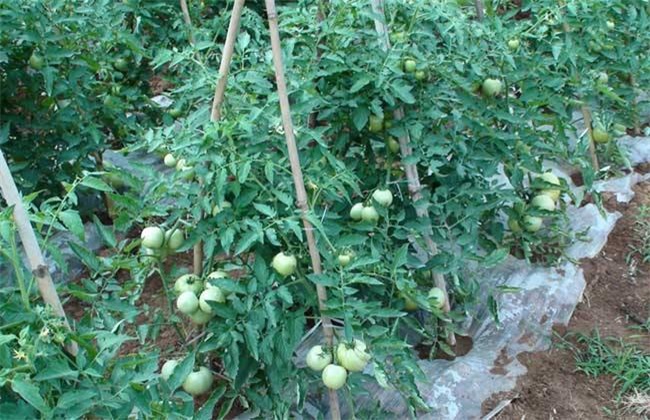
Tomato is a very familiar vegetable with rich nutrition, and market demand is very large. At present, there is a large cultivation area in both the north and south of our country. When growing tomatoes, what we need to do well is the management work, and there are also many technical points, so how should tomatoes be cultivated? Below, the editor brings you the tomato cultivation techniques, let's take a look!
1. Seed treatment
After the seeds are prepared, soak them in clean water for one hour, then put them into 50 degree hot water and maintain the water temperature to soak for a quarter of an hour. When soaking seeds in hot water, stir continuously to ensure the seeds are heated evenly, then soak them in clean water for 3 hours. After taking them out, soak them in trisodium phosphate for 20 minutes for disinfection. Then let the seeds fully absorb water and swell, and place them at 26-27 degrees to promote germination, maintaining this for about 3 days. During the germination process, stable temperature, moisture, etc. must be maintained. Frequently check and turn the seeds, and wash them once a day. Seeds that have undergone germination work emerge quickly and neatly, and can cultivate sturdy seedlings.
2. Timely sowing
Tomato seeds are generally about 300 seeds per gram, and about 25 grams are sown per mu. Reasonably regulate the sowing time according to the local climate environment, planting methods, etc. For example, the sowing time in areas south of the Yangtze River is generally around July-August. Sowing methods include broadcasting, dibbling, etc. No matter what sowing method is used, attention should be paid to covering a layer of fine soil after sowing. And use chemicals such as carbendazim mixed with fine soil to enhance the disease resistance of tomato seedlings. In seasons with lower temperatures such as winter and spring, after sowing, plastic film should also be properly covered to improve the soil's heat preservation capacity.
3. Temperature control
After tomato seeds are sown, before the seedlings grow their first true leaf, under suitable environment, it is generally about one week. The temperature during the seedling stage should be controlled at around 26-27 degrees, and the temperature at night should also be maintained at 14-16 degrees. The temperature at this time is very critical to the growth of the seedlings, especially the soil temperature, which should be maintained at around 22 degrees. Then the temperature should be controlled well according to weather changes and the growth of the tomatoes. If the temperature is unsuitable, the impact on tomato growth is very great, and it will not only reduce the yield, but the quality will also decline.
4. Scientific fertilization
During the tomato growth period, topdressing work should be done well, and the ratio of nitrogen, phosphorus, and potassium fertilizers should be controlled well. In particular, nitrogen fertilizer must not be over-applied, and it should be applied in combination with phosphorus and potassium fertilizers. When the tomatoes are planted and recovering from transplanting, apply one seedling-promoting fertilizer, and then when the first cluster of tomato fruit begins to expand, the second topdressing work can begin. If it is a mid-to-late maturing variety, then about two more topdressings should be applied. Then properly spray foliar fertilizer to promote fruit ripening. Finally, control the amount of watering well to avoid excessive water causing excessive vegetative growth of tomatoes and the occurrence of flower and fruit drop.
The above is a brief introduction to tomato cultivation techniques. The most important thing in tomato cultivation is to do a good job in management work, improve yield and tomato quality, and only then can planting benefits be expanded. That is all for today's introduction. This article is for reference only, and I hope it can help everyone!