What are the key points of cucumber cultivation techniques? Understand the planting methods in one article
Cucumber has high nutritional value, and because there is a large market demand in our country, the planting area is also relatively large. When planting cucumbers on a large scale, there are many things we need to pay attention to. Growing cucumbers also has many technical key points, and many people fail to pay attention to them, resulting in relatively low yields and poor quality. So today, the editor will introduce to you the key points of cucumber cultivation techniques. Let's take a look!
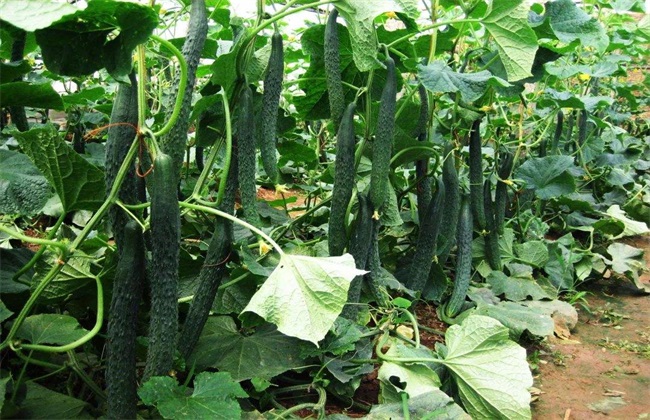
1. Land selection and soil preparation
The soil pH suitable for planting cucumbers should be controlled at around 6.5-7. The soil must be rich in humus, have normal drainage and irrigation, and have strong moisture retention capacity. The previous crop in the soil should not be a cucurbit crop, to avoid damage from soil-borne diseases. After selecting the land, do a good job of soil preparation, and cultivation with high beds and deep furrows is preferable. Deeply plow the soil about 30 cm, keep the width of the high bed at about 2 m, with a depth of 0.3 m, and the length depends on the actual situation. Then apply sufficient base fertilizer and mix it evenly with the soil to improve soil fertility.
2. Sowing and raising seedlings
Before sowing cucumbers, first do a good job of soaking the seeds to promote germination. First use warm water at 50 degrees to scald the cucumber seeds. During scalding, stir the seeds continuously to avoid burning the seeds, then remove them after about 10 minutes. Then put them into water at 30 degrees and soak for about 5 hours. Then remove them, drain the water, wrap them in a wet cloth, and place them in water at 30 degrees to promote germination. After about one day, the seeds will germinate. Seedling raising is mainly done in small arched sheds on seedbeds. The seedling age is about 2-3 weeks before transplanting. It is preferable to transplant with soil to avoid damaging the young seedling roots.
3. Fertilizer and water management
Before planting, we should apply sufficient base fertilizer. Base fertilizer is the key to ensuring cucumber yield. During soil preparation, apply about 2500 kg of farmyard manure per mu, together with an appropriate amount of hair fertilizer and superphosphate. When the plant grows about two true leaves, carry out the first fertilization. Because the root absorption capacity of cucumbers is relatively poor, fertilization should mainly be frequent applications in small amounts. Topdress about once a week, mainly with urea each time, with the amount controlled at about 5 kg. During the seedling stage, control water properly, increase it appropriately during the flowering and fruiting stage, and reasonably control the watering frequency according to the weather. On sunny days, water once every day, and on rainy days, drain water in time.
4. Trellising and vine guiding
Cucumber is a vining plant, so when planting, we also need to do a good job of trellising and vine guiding. When tendrils appear on the cucumber plant, start trellising. The trellis is mainly a human-shaped trellis, and vine guiding is done about once every 3 days. When guiding vines, ensure that the branches and vines are evenly distributed on the trellis, and it should be done in the evening on sunny days. Do a good job of pruning according to the cucumber variety. If the main vine bears fruit, then generally no pruning is needed. If the side vines bear more fruit, then pinch off the growing tips and prune.
The above is a brief introduction to the key points of cucumber cultivation techniques. When planting cucumbers, be sure to do a good job of fertilizer and water management and trellising to ensure cucumber yield and quality. That is all for today's introduction. This article is for reference only. Thank you everyone for reading and supporting.