Tomato Seed Germination: Methods and Step-by-Step Guide
Tomato growing mainly relies on raising seedlings from seed; other methods are rarely heard of, because growing seedlings from seed is convenient and efficient, and is the main effective method. In modern agriculture, in order to achieve uniform emergence after sowing, to disinfect and sterilize, and to reduce disease, seeds need to be germinated before sowing to break seed dormancy, and then sowing is carried out. What we mainly want to introduce now are the seed germination methods and how they should be carried out, and we hope this is helpful.
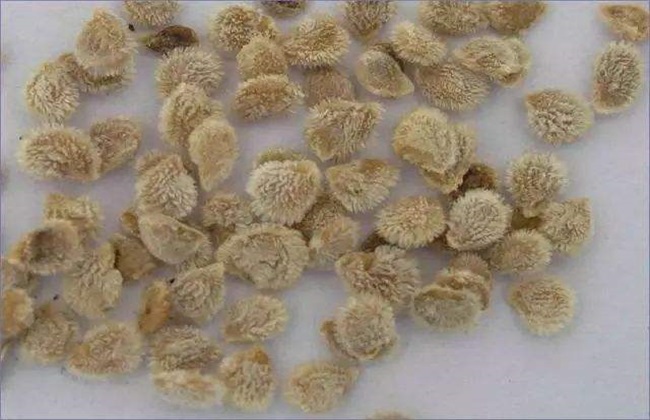
1. Germination requirements
Provide a suitable temperature and humidity environment for germination. Generally, tomato seeds need a temperature between 20 and 25 degrees, and humidity must be above 80%. In addition, because in a warm and moist environment a slimy substance will form after a period of time, the seeds must be taken out and cleaned every day, then after draining off the water, wrapped again in a clean wet cloth, and then germination continued. Also turn them over frequently, so as to ensure air circulation. Before germination, the seeds must be soaked in a chemical agent or stirred in hot water for sterilization; only after disinfection should germination proceed, to avoid the seedlings carrying pathogens.
2. Germination in a clay pot
After the disinfected seeds are cleaned and drained, wrap them well in soaked gauze, then place them in a clay pot. Some dry grass can be placed under the pot to prevent moisture, then cover them tightly with wet gauze; do not use too little gauze, preferably 3 to 4 layers of gauze. After that, place the clay pot in a warm place and germination can begin; after about a few days they will sprout.
3. Germination with sand
The advantage of germinating with sand is that sand is moist and well aerated, reducing the possibility of disease during the seedling stage, and sprouting is relatively fast. First wash the sand, then expose it to the sun for disinfection, and then collect it for use. After the seeds are disinfected, mix the seeds and sand in a ratio of 1:1.5 and put them in a clay pot. Then add a covering layer of wet sand and place it in a warm place; a clay pot is chosen because it has good air permeability.
3. Germination with heat preservation
Germinate directly in an incubator; these are generally electronically temperature-adjustable incubators, and at the beginning it may need to be set at around 25 to 28 degrees. When most of the seeds have broken through their seed coats, the temperature should be lowered; the newly emerged parts need a somewhat lower adaptive temperature, roughly between 20 and 24 degrees. After most of the seeds show white sprouts, they should be moved to the refrigerator for dormancy-breaking treatment, kept at a low temperature of 5 degrees, to sprout as quickly as possible.
Tomato seeds must first be disinfected before germination, and then a suitable temperature and humidity must be provided for germination. Therefore, no matter which method is used, a suitable germination environment must be met, so as to ensure the effect of germination, achieve rapid germination, and uniform sprouting.