A detailed guide to oyster mushroom cultivation techniques: the growing method is easy to understand at a glance
Oyster mushrooms are the most common mushroom vegetables in our daily lives, and market demand for them in China is very large. Oyster mushrooms have various effects such as dispelling wind and dispersing cold, and soothing the sinews and activating the collaterals, and can enhance the body's immune function. Now, as market demand for oyster mushrooms expands, the cultivation area of oyster mushrooms is also continuously expanding. So how should oyster mushrooms be cultivated? Below, the editor brings you the cultivation techniques for oyster mushrooms. Let's take a look together!
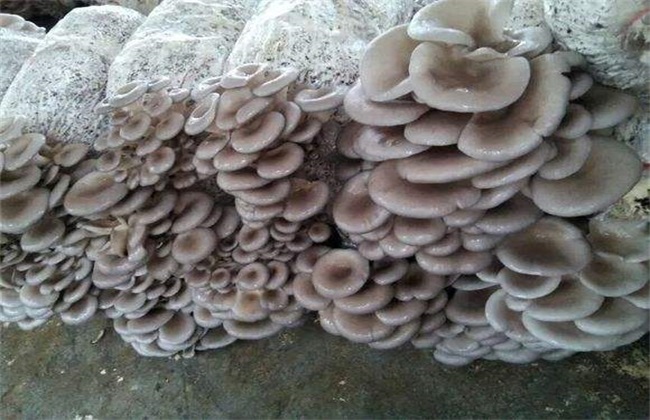
1. Mushroom house and nutrients
For the mushroom house, you can choose an empty house or a basement. The mushroom house must be guaranteed to be on relatively high ground, with sufficient water sources around it and strong drainage and irrigation capacity. The walls of the mushroom house must be thick to improve the mushroom house's heat preservation and moisture retention. Then set up bed frames in the mushroom house. The bed frames must not lean against the walls, and a walkway of about 60cm should be kept. Then disinfect, using formaldehyde, potassium permanganate, etc. for fumigation. Then prepare nutrients with materials such as cottonseed hulls and lime. After dissolving the lime in water, pour it over the cottonseed hulls. While pouring, tread on them and then turn and mix the cottonseed hulls to ensure the moisture content of the cottonseed hulls is uniform.
2. Timely sowing
The sowing method for oyster mushrooms is mainly layer sowing. First, spread a layer of plastic film on the mushroom bed, then spread a layer of nutrient material on the plastic film, then scatter oyster mushroom spawn on the nutrient material, then spread another layer of nutrient material on the spawn, and repeat this cycle, then level and compact the nutrient material. Before sowing, we must first take out the spawn and place it in a clean container. After disinfecting the hands, break the spawn into pieces the size of longan fruits, and then sow. After all sowing is completed, cover with film to improve moisture retention and avoid contamination by miscellaneous bacteria. Generally, sowing can be done from August to April.
3. Management during the spawn-running period
During the growth and development of oyster mushroom mycelium, the main task is to do a good job in temperature regulation and moisture retention, and avoid contamination by miscellaneous bacteria. About 10 days after sowing, the temperature of the mushroom house should be lowered to below 15 degrees. When the spawn begins to germinate and expand its growth, we should frequently check the temperature of the nutrient material, which must not be too high. If the temperature is too high, promptly uncover the film for ventilation and cooling. After the temperature is suitable, cover the film again. If contamination by miscellaneous bacteria appears, sprinkle an appropriate amount of lime powder on the positions where the miscellaneous bacteria are growing. The application should be maintained at about 65%. Generally, after about one month of sowing, the entire culture material will be covered with mycelium.
4. Management during the fruiting period
After the mycelium has fully grown, we should ventilate for about one hour every day to increase the temperature difference and promote the formation of fruiting bodies as soon as possible. Then, according to the actual situation, do a good job in accompanying the bed, raising the humidity to about 80%. For mature mycelium, it is very easy to form grayish-white piles of mushroom buds. At this time, spray appropriately to maintain indoor humidity. Do not spray water onto the surface of the material, otherwise it will affect the growth of the mushroom buds and cause the young mushrooms to die. Keep the temperature at about 16-17 degrees. After the piles of mushroom buds form, the growth speed accelerates. At this time, raise the humidity to about 90% and keep the temperature at about 15 degrees.
The above is a brief introduction to oyster mushroom cultivation techniques. When planting, we should also do a good job in fertilizing to increase the yield of oyster mushrooms and enhance quality. That is all for today's introduction. This article is for reference only, and we hope it can help everyone!