Autumn-Sown Garlic Cultivation Techniques and Management Key Points
Garlic is a side vegetable that many people enjoy eating very much, and many people choose to grow some garlic at home for their own use. If growing on a large scale, you must ensure that the garlic plants can grow 5 leaves before overwintering. During this period, the cold resistance of the garlic plants is very strong, and they can overwinter normally. So today, the editor brings you the autumn-sown garlic cultivation techniques. Let us take a look below!
1. Seed Treatment
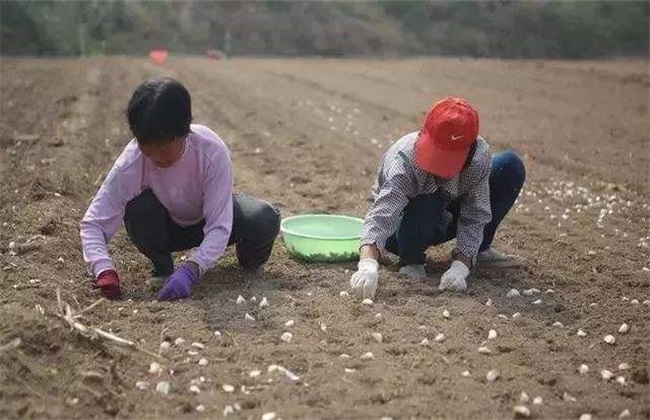
First, we need to select virus-free varieties with strong disease resistance, preferably garlic cloves that are free of pests, diseases, and wounds. Before sowing, wash the seed cloves clean, then use wettable powder such as Duoning and other agents for seed dressing. Alternatively, you can use Tianda hymexazol for seed dressing for about 20 minutes, and carry out disinfection measures well. The sowing method for garlic is generally mainly furrow sowing. First, open shallow furrows well. Then sow the seed cloves into the soil, cover with soil after sowing, press lightly, and water appropriately to avoid soil moisture deficiency and drought, control the sowing depth well, and ensure healthy growth of garlic.
2. Sow at the Right Time
When planting garlic, we should reasonably adjust the sowing time according to the planting region to ensure that the garlic can grow 5 true leaves before overwintering. If planting south of the Yangtze River Basin, the sowing time for autumn-sown garlic is generally around September. The weather in September is relatively cool, which can improve the emergence rate of garlic. Do not sow too early or too late. If sown too early, the seedlings have strong growth capacity, are prone to consuming too much nutrition, affect garlic overwintering, and are likely to form multi-clove garlic in the second year, and the quality will also be affected. If sown too late, nutrient accumulation is too little, cold resistance is poor, and the plants are likely to die in winter.
3. Reasonable Close Planting
Garlic can be planted appropriately densely, and reasonable close planting is the key to increasing garlic yield. We should reasonably adjust the planting density according to the variety. If planting early-maturing varieties, because the plants are relatively short, have few leaves, and have a short growth cycle, the planting density can be appropriately increased, planting about 50,000 plants per mu, with plant and row spacing controlled at 8*15 cm. Compared with medium- and late-maturing varieties, because they have a long growth cycle, large plant type, and many leaves, about 40,000 plants are planted per mu.
4. Field Management
After sowing, we need to do a good job in field management. In order to promote garlic growth and increase plant nutrition, we should topdress appropriately. Because the water absorption of garlic roots is relatively poor, topdressing fertilizer should mainly be quick-acting fertilizer, to avoid fertilizer deficiency causing insufficient nutrition for garlic growth. Topdressing should be done at important stages such as full emergence, two months after sowing, the flower stalk elongation stage, and the bulbing stage. Then do a good job in water management, ensuring both that the water requirements of garlic are met and that excessive water is avoided, which would affect garlic growth.
The above is a brief introduction to autumn-sown garlic cultivation. Garlic cultivation techniques are relatively simple, but everyone should pay attention to doing a good job in management to ensure yield. That is all for today's introduction. This article is for reference only, and we hope it can be helpful to everyone.