What kind of growing environment suits black soybeans?
Black soybeans are actually black soybeans (black-seeded soybean), but they contain more vitamins, lecithin, and especially melanin than ordinary soybeans, all of which are nutrients that are very good for the human body. Regularly eating black soybeans can delay the aging of bodily functions and lower blood sugar. According to records in medical books, black soybeans can tonify the kidneys and benefit the eyes. So in what environment do black soybeans grow, and what are their requirements for the growing environment? Let's find out together now; if you want to grow them, you certainly need to understand this.
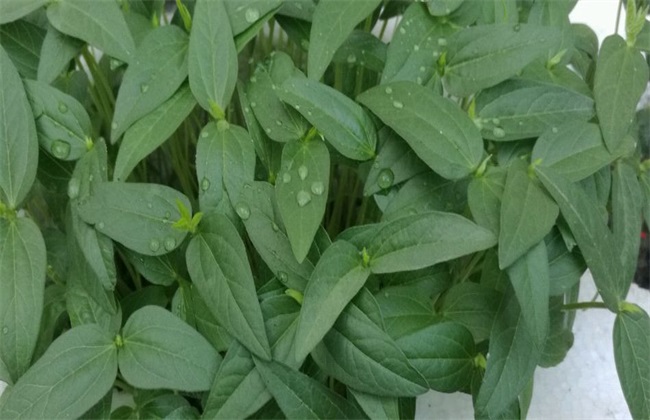
1. Water
They need more water; the growth period requires the least water, the flowering and pod-setting period requires the most water, and the pod-swelling period requires an amount of water between the two. During the seedling stage, in order to grow more roots quickly, generally water less to encourage the roots to grow downward and develop, which is beneficial to seedling growth. Irrigation is only done during drought, so that the seedlings will not suffer root damage from drought, insufficient absorption, poor growth, and death.
2. Temperature
Temperature is very important. Black soybeans prefer warmth. Germination requires above 18 degrees, but must not exceed 25 degrees. Seedlings grow quickly between 20 and 24 degrees in the greenhouse. After the seedling stage, the most suitable temperature is between 24 and 26 degrees, mainly suitable for plant growth. During the flowering period it must not exceed 30 degrees; above that the flowers cannot open, and around 25 degrees is best. Above 35 degrees affects growth. They are afraid of cold, and cannot be planted in cold regions or seasons.
3. Light
They are mainly short-day plants. Long days will delay flowering and lengthen the growth period, but some varieties may be less sensitive to light and can still grow, flower, and set pods under somewhat longer light. Mainly, you can choose varieties adapted to the local light conditions, or plant them more sparsely in the field, which can increase the photosynthetic utilization rate of the leaves. Enhance light.
4. Soil and nutrients
They are not strict about soil requirements, but the pH is best between 6 and 7.5. Too acidic, and it is not easy for soybean rhizobia to grow, so they cannot fix nitrogen, and the nutritional conditions are not as good. Too alkaline, and some trace elements, such as iron, affect chlorophyll synthesis, producing very little organic matter. Moreover, black soybeans are not tolerant of salinity and alkalinity, so it is best to plant them in deep, loose, fertile soil, which makes growth and management easier.
The main requirements for black soybean growth are a warm environment and moderately acidic to alkaline soil, with fertile, loose sandy loam being best. They need relatively more water during growth, with the most needed during the flowering and pod-setting period, which requires special attention. Black soybeans are a short-day crop, and long days affect flowering, so attention must be paid to variety selection.