Symptom Identification and Control Methods of Soybean Root Rot
Soybean is an important crop in China with extremely high economic value, and the disease that frequently appears during the soybean seedling stage is root rot. It has a huge impact on soybean growth and often leads to seedling death and missing rows. So how should soybean root rot be prevented and treated? Let's find out together.
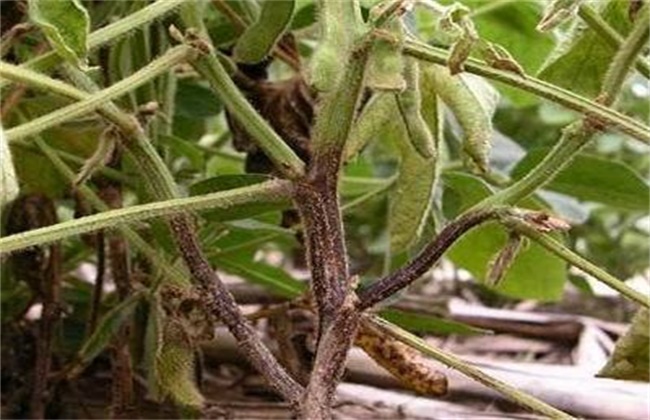
1. Occurring Symptoms
When soybean develops root rot, the root system does not grow vigorously, specifically showing few fine roots, few root nodules, or even no root nodules at all, and the root tips turn brown. Once the soybean root system is damaged, the transport of nutrients and water is blocked, causing the aboveground plants to lose green color, change, become stunted, and wilt, and in severe cases it causes plant death.
2. Causes of the Disease
① Sowing too deep. Soybean sprouts have weak soil-emergence strength, so deep sowing is not suitable. If sown deeply together with moist soil, such an environment very easily leads to infection with root rot.
② Sowing too early. Soybean should not be sown too early. The suitable temperature for emergence and the seedling stage is between 20-25 degrees. Sowing too early fails to reach the required temperature environment, and combined with damp soil and low-lying terrain, it very easily leads to infection with root rot.
③ Soil causes. Soybean root rot is a soil-borne disease. Once it occurs and is not controlled in time, it will occur every year afterward, especially when underground pests are present, which will increase infection by the pathogen.
④ Fertilization method. Soybean growth requires a large amount of nitrogen, but it has a strong nitrogen-fixing ability itself. If too much nitrogen fertilizer is applied, it will instead affect the formation of root nodules, causing excessive vegetative growth and poor disease resistance.
3. Control Methods
During planting, apply organic fertilizer as a top dressing to supplement trace elements. Apply 2000 kg of decomposed farmyard manure per mu as a base fertilizer. If the soil organic matter content is poor, 100-200 kg of biological bacterial fertilizer can also be applied. Disinfectants can also be used to sterilize and kill bacteria in the soil. Seed coating and seed dressing for soybean at sowing time is also the most critical measure for preventing root rot. Practice has proven that plants treated with seed dressing have a greatly reduced incidence of root rot. For seedlings that have already developed root rot, fungicides can be used for control. The commonly used agents are Fusarium, Pythium, and Phytophthora, and the control effect is excellent.
The above is an introduction to soybean root rot symptoms and control methods. We hope it can help you. If you want to learn more related knowledge, please stay tuned to us.