Detailed Explanation of Radish Sprout Cultivation Methods and Key Technical Points
Radish sprouts are vegetables formed from seedlings grown from radish seeds. They are grown very widely in the Yangtze River basin of China. Radish sprouts are very tender and rich in nutritional value. They contain various nutrients such as vitamin C and vitamin A. Nowadays, radish sprouts are gradually becoming well known, and market demand is naturally growing larger and larger. So how should radish sprouts be cultivated? Below, the editor brings you the cultivation methods for radish sprouts. Let's take a look!
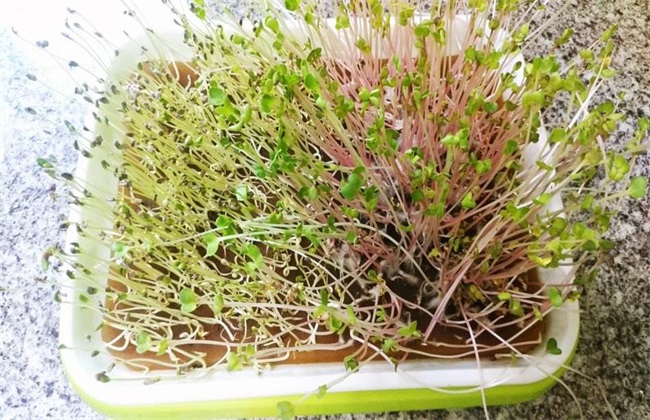
1. Seed Treatment
First, we need to select good varieties, ensuring a high seed germination rate and a large seed harvest, with plump seeds and a germination rate within two days maintained at about 80%, and it is best to ensure the seed coat is green. After selecting the seeds, place them in sunlight to dry appropriately. Then soak the seeds in water at about 30 degrees for about 10 minutes, then place them in warm water at 50 degrees for a quarter of an hour, and finally soak them at room temperature for 3h. Then remove them, wrap them in a wet cloth, and place them at a temperature of about 22 degrees for germination. When half of the seeds have sprouted white, they can be sown. Before sowing, it is best to use bleaching powder for disinfection to reduce the incidence of disease.
2. Growing Environment
Radish sprouts generally prefer to grow in a warm and humid environment. The temperature should not be too high, otherwise the germination rate will be low or they may even fail to germinate. Also, radish sprouts have relatively poor drought tolerance, so attention should be paid to maintaining moisture. During the growth of radish sprouts, the temperature should be maintained at about 22 degrees, and good soil should be selected. The soil should ensure sufficient fertility, be soft, have good drainage and irrigation, and be thick, mainly sandy soil. When cultivating, choose the planting method according to the growing environment. Both traditional soil cultivation and soilless cultivation can be used.
3. Timely Sowing
We should choose suitable varieties for high, medium, and low temperatures according to the season and planting facilities. Although all radish varieties can be used to grow radish sprouts, in order to ensure quality and yield, it is advisable to choose green manure radish varieties. After the seeds have been disinfected and germinated, level the soil bed surface, then water thoroughly. The sowing method is mainly broadcasting, and the sowing rate should be controlled. Sow about 7kg per mu, and after sowing, be careful to cover with a layer of fine soil, then cover the soil with a layer of rice straw. Water about twice a day. Do not use flood irrigation, to avoid seedling rot and lodging.
4. Cultivation Management
If planting in high-temperature periods such as summer, then we should pay attention to doing good work in shading and ventilation, while in low-temperature seasons, good insulation work is needed. In an environment at about 18 degrees, radish sprouts can emerge in about 3 days. After emergence, we should promptly remove the covering on the soil, then spray water. If the light is too strong, then shade promptly. When the seedlings grow to about 4 cm, apply one application of nitrogen fertilizer water. Then control the amount of watering well, keeping the soil moist, and the moisture should not be too much or too little. Too much can easily cause seedling damping-off, while too little can easily cause the seedlings to age.
The above is a brief introduction to the cultivation methods for radish sprouts. The cultivation methods for radish sprouts are actually relatively simple, and doing the basic management work well can achieve the goal of a high yield. That is all for today's introduction. This article is for reference only, and I hope it can be helpful to everyone!