Detailed Explanation of Mid-to-Late Stage Management Techniques for Napa Cabbage
Napa cabbage is a very common vegetable in China and is well liked by many people. Although its market price is not very high, market demand is large, so its economic value is still quite good. Therefore, the planting area of napa cabbage is now relatively large. When growing napa cabbage, we must do a good job with management, especially in the mid-to-late stages. So today, the editor brings you the mid-to-late stage management techniques for napa cabbage. Let's take a look!
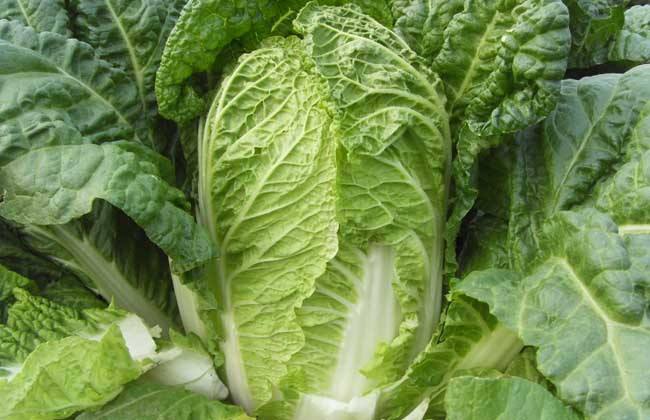
1. Rosette stage management
The rosette stage is a critical period for napa cabbage growth. At this time, the demand for water and nutrients is very great. So during this period, we must do a good job with water and fertilizer management and water reasonably. Pay attention to hardening the seedlings of napa cabbage; do not flood-irrigate, and mainly use light watering. After the rainy season, pay attention to drainage and do a good job with intertillage to avoid soil compaction caused by excessive soil moisture. Watering can be carried out together with topdressing. Properly spray New High Lipid Film to improve fertilizer efficiency, enhance the disease resistance of napa cabbage, and increase yield.
2. Head-forming stage management
The head-forming stage management of napa cabbage directly affects yield. During this period, the disease resistance of napa cabbage is relatively weak. It is highly prone to pests and diseases, so pest and disease control must be done well, such as downy mildew, black rot, and aphids. Before the napa cabbage rows close, carry out one heavy preventive treatment. When spraying pesticides, pay attention to being thorough and comprehensive. If it rains after spraying, respray in time. Then remove diseased plants to avoid expanding the affected area, and disinfect the holes and surrounding areas of affected diseased plants to ensure healthy growth of napa cabbage.
3. Pest control
Pest control for napa cabbage is essential in the mid-to-late stages. For example, cabbage caterpillars and beet armyworms. These pests not only chew on various parts of napa cabbage, causing it to lose its commercial value and affecting planting benefits. They may also carry pathogens and cause various diseases, such as aphids carrying viruses that cause viral diseases, seriously affecting cabbage growth and reducing quality and yield. So we should carry out different control measures according to different pests. For example, cabbage caterpillars and beet armyworms can be controlled with pyrethroid-type drugs, while aphids can be controlled with pirimicarb.
4. Disease control
Disease control is of course also an indispensable management task in growing napa cabbage. Common pests and diseases of napa cabbage include soft rot and viral disease. Different diseases occur at different growth stages of napa cabbage. For example, soft rot is prone to occur from the rosette stage to the head-forming stage, while downy mildew is prone to occur from the seedling stage to the heading stage. Therefore, when planting, we must do a good job with management, drain water in time, spray pesticides, and strengthen prevention. Understand the symptoms of each common disease so that after onset, you can promptly know exactly which disease it is and take corresponding measures.
The above is a brief introduction to the mid-to-late stage management techniques for napa cabbage. The management of napa cabbage is very important and is directly related to its yield and quality, so everyone must manage it carefully when planting. That is all for today's introduction. This article is for reference only, and I hope it can help everyone!