How to store cilantro? A detailed introduction to practical preservation methods
The market demand for cilantro in our country is very large, and because of this large market demand, the current planting area of cilantro in our country is also very large. The growth cycle of cilantro is relatively short, and sometimes the yield of cilantro is too large, making it impossible to bring it all to market in time. At this point, we need to do a good job of storing cilantro to avoid spoilage and avoid affecting the yield. So how should cilantro be stored? Let's take a look together below!
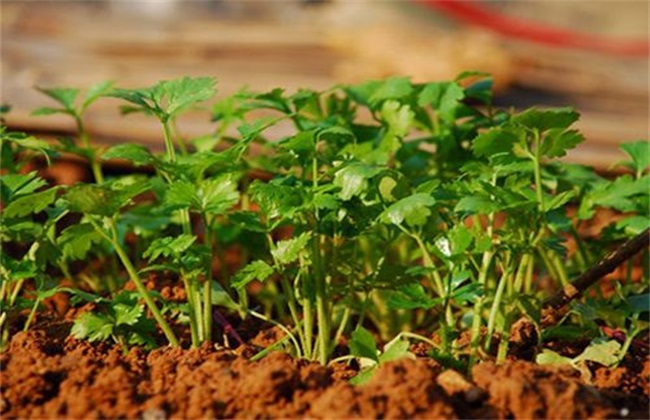
1. Frozen storage method
Frozen storage is generally used more in the Northeast region. First, dig a trench about 30 cm deep and 80 cm wide in a sheltered place. Then dig two ventilation channels about 22 cm deep along the trench. Some straw can be placed appropriately in the ventilation channels, and then the cilantro is placed on the straw to prepare for frozen storage. After harvesting, the cilantro should be washed to remove the soil, and the yellow leaves should be removed, then placed in the trench in bundles of one jin each. After arranging them, cover the cilantro with a layer of sandy soil and straw. As the temperature drops, cover it about two more times. Keep the temperature in the trench at around 5 degrees, with the cilantro leaves frozen and the roots not frozen as the ideal condition. It can generally be stored until the spring of the following year.
2. Cellar storage method
Cilantro cellar storage is further divided into pile storage and gap storage. If the storage quantity is large, pile storage should be used; on the contrary, if the quantity is small, gap storage is mainly used. When doing pile storage, pile the cilantro in a place close to the ventilation opening, which can both provide ventilation and prevent the temperature from getting too high. Then, after the temperature drops significantly, move the cilantro into the cellar, keeping the pile height at about 28 cm. Gap storage means storing it in the gaps where vegetables such as cabbage are stored. The temperature for storing cabbage is generally around zero degrees, and cabbage has a relatively high water content, so it is very suitable for storing cilantro. When doing cellar storage, pay attention to controlling the temperature; the temperature must not exceed 5 degrees. Otherwise, the cilantro leaves are very prone to yellowing and rotting.
3. Controlled atmosphere cold storage
For controlled atmosphere cold storage, choose healthy cilantro with large plants and bright color. When harvesting cilantro, keep the roots at about 1.8 cm. After harvesting, pay attention to the temperature and do the processing work well, removing yellow leaves and rotten leaves. Then tie it into bundles of one jin each and do the pre-cooling work well. Pre-cool for about 20 hours in an environment at zero degrees. When the temperature of the cilantro reaches zero degrees, bag it, mainly using polyethylene film bags. Then control the air ratio in the bags well. For example, keep the oxygen content at about 10.5%, and keep the temperature constant at around 0 degrees, not too low, to ensure the commercial value and storage capacity of the cilantro. Using controlled atmosphere cold storage, it can generally be stored until around May of the following year.
The above is a brief introduction to cilantro storage methods. There are many storage methods for cilantro. When storing, everyone can choose a suitable storage method according to their own conditions and habits. That is all for today's introduction. This article is for reference only, and I hope it can help everyone!