Detailed Explanation of Key Points on Summer Tomato Cultivation Techniques
Tomato is a very popular vegetable that can be eaten raw or used to make dishes, and it has a very good effect of enhancing freshness. Tomatoes can generally be planted in spring, summer, and autumn. However, when we plant tomatoes in summer, we need to do a good job with summer cultivation work to ensure normal tomato growth and increase yield. So today, the editor has brought you summer tomato cultivation techniques. Let's take a look below!
1. Seedbed preparation
Before cultivation, we must first prepare the seedbed. Summer tomato seedling raising is generally mainly plug tray seedling raising. Use peat, perlite, and other materials to prepare the substrate. An appropriate amount of carbendazim can be added to the substrate for disinfection. Then seal the substrate for about 12 hours, and then put the substrate into the plug trays. The substrate should not be pressed too tightly, so as to maintain the original physical properties of the substrate. After all plug trays are filled with substrate, spray water appropriately, then use empty plug trays of the same type without substrate to lightly press the plug trays filled with substrate, keeping the depth at about 1 cm to improve the quality of the substrate.
2. Timely sowing
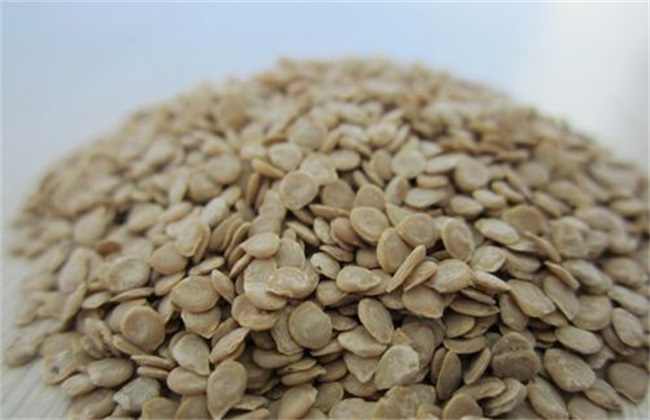
The main method of tomato seedling raising is cold-frame seedling raising. Before sowing, first do a good job of seed treatment and put the seeds under the sun to expose them for about two days. Then soak the seeds in warm water at about 50 degrees for 10 minutes, then put them into a solution such as trisodium phosphate and soak for 20 minutes for disinfection and germination promotion. Then take them out and clean them thoroughly before sowing. Sow one seed per plug tray cell, dibble them into the prepared plug trays, and place them flat in the middle of the plug trays. Then do a good job with management to promote seed germination and seedling emergence.
3. Seedling stage management
After tomato seeds emerge, we should do a good job of thinning seedlings, generally when the seedlings grow 2 true leaves, to provide sufficient growing space for robust tomato seedlings. Then spray an appropriate amount of daminozide and other chemicals to avoid excessive seedling growth. Then also spray an appropriate amount of thiophanate-methyl and other agents to do a good job in pest and disease prevention and control. Ensure healthy seedling growth and increase tomato yield. Weed appropriately to avoid too many weeds competing for the nutrients needed for tomato growth. Finally, when the seedlings grow 6 true leaves, they can be transplanted.
4. Timely transplanting
Summer tomato transplanting is generally carried out in late May. After the previous crop in the soil is harvested, promptly clean up the remaining crop residue and do a good job in land preparation and fertilization. Fertilizers are mainly barnyard manure and compound fertilizer, evenly broadcast on the soil, then prepare the land to fully mix the soil and fertilizer. The cultivation method is mainly ridging and high beds to ensure good soil drainage. After transplanting, try to avoid seedling hardening in tomato seedlings. After the seedlings recover, do a good job of intertillage to improve the soil's moisture conservation capacity, strengthen weed control, promote root growth, and enhance the disease resistance of tomatoes.
The above is a brief introduction to summer tomato cultivation techniques. Summer tomato cultivation mainly requires good cooling and shading work, strengthened water and fertilizer management, and increased yield. That's all for today's introduction. This article is for reference only, and I hope it can help everyone!