What are the growing environment requirements for mushrooms?
Many people cannot clearly distinguish among the many edible fungi, so they call them all mushrooms. In fact, in production, "mushroom" specifically refers to one kind of fungus, namely the button mushroom, also called the white mushroom. Mushrooms are cultivated very widely in the world, with a large cultivation area, and in many regions they are the main source of income for farmers. Cultivating mushrooms has its own environmental requirements. What kind of environmental conditions need to be created to cultivate mushrooms? Let's take a look at the introduction below.
1. Temperature
Different growth stages of mushrooms require different temperatures. Generally, during the early mycelial growth stage, the most suitable temperature is around 18 to 20 degrees, while during the later fruiting body growth stage, it needs to be adjusted to 12 to 16 degrees. Generally, growing mycelium prefers a warm environment, while fruiting bodies prefer a cool environment. If the temperature is too high, the mycelium will age and the fruiting bodies will easily open their caps. Generally, below 4 degrees, they stop growing.
2. Nutrition
Mushroom growth requires a large amount of nutrients, but fungi do not have green leaves like some plants to carry out photosynthesis and produce nutrients, so they can only rely on fertilization to convert into mushroom nutrients. Generally, mushroom cultivation requires preparing a culture substrate, usually composed of livestock manure together with cottonseed hulls and sawdust. Generally, the pH of the culture substrate is between 6.8 and 7.5. Later, appropriate amounts of fertilizer can also be applied, such as some decomposed organic fertilizer.
3. Moisture
Mushroom growth, like that of external plants, requires moisture, and it requires a large amount of moisture. During the fruiting body growth stage, a large amount of moisture is needed, because fruiting bodies are mostly composed of moisture. If moisture is insufficient, it will affect the growth of the fruiting bodies. Generally, the moisture content of the culture substrate is about 60%, and the air humidity is around 70%. If the environment is dry, mushrooms lose moisture; if the environmental humidity is too high, the air does not circulate.
4. Light
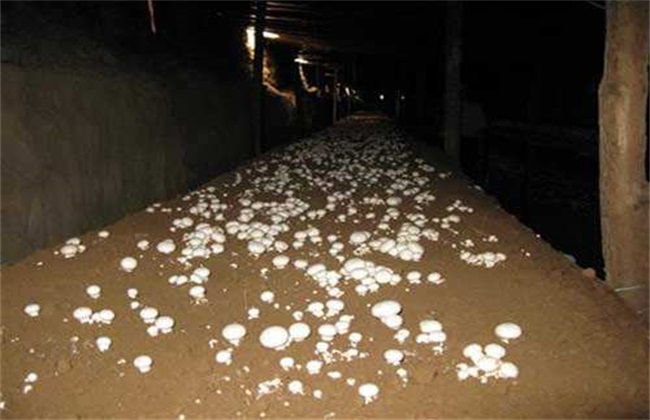
Edible fungi do not carry out photosynthesis, but some edible fungi need to receive some light, which is beneficial to growth. However, mushrooms do not need light and can also grow in a dark environment. During cultivation, light should be shaded, and they should not be exposed to strong light, which affects growth and is unfavorable to growth.
5. Air
Mushroom growth requires attention to air. They are generally cultivated in thatched houses, which are also a closed environment. If the door is not opened for ventilation and air exchange, indoor air is difficult to circulate, so regular ventilation and air exchange are generally required. They need enough oxygen to grow, generally absorbing oxygen and releasing carbon dioxide. Carbon dioxide must be released regularly and oxygen brought in.
Mushroom growth and development require a dark environment, no light is needed, and suitable moisture is needed. Mycelial growth needs warmth, and fruiting body growth needs coolness. Because oxygen is needed, ventilation and air exchange must be done frequently. The culture material must be rich in nutrients.